
Why You Need MORE Protein
Protein is often discussed as if it were only important for athletes and bodybuilders. In reality, protein is essential for nearly every tissue, process, and repair system in the human body.
Your muscles need protein, but so do your bones, skin, hair, immune system, enzymes, transport proteins, receptors, and many hormones. Every cell contains protein, and your body continually breaks proteins down and rebuilds them. Because the body does not maintain a large storage tank of extra amino acids, eating adequate protein regularly is essential.
Protein is not simply a tool for building bigger muscles. It is part of the biological foundation that allows the body to maintain itself, communicate, recover, and function.
Protein Supplies the Building Blocks of the Body
Proteins are made from amino acids. Once dietary protein is digested, those amino acids can be used to build and repair tissues or manufacture important compounds throughout the body.
Amino acids are needed to make:
- structural proteins such as collagen and keratin
- enzymes that drive chemical reactions
- antibodies used by the immune system
- transport proteins such as albumin
- receptors that allow cells to respond to signals
- peptide hormones and other signaling molecules
This is why inadequate protein can affect much more than muscle. It can influence strength, recovery, skin integrity, immune function, wound healing, and healthy aging.
Protein Is the Basis for Peptide Hormones and Signaling
Many important signaling molecules in the body are peptides or proteins made from chains of amino acids. These include insulin, glucagon, GLP-1, growth hormone, oxytocin, and many other regulatory compounds.
Dietary protein does not directly become one specific hormone the moment you eat it. Instead, protein supplies the amino acids the body needs to continually synthesize peptide hormones, receptors, enzymes, and signaling proteins.
It is therefore more accurate to say that amino acids from protein provide the raw materials for peptide-based signaling throughout the body. Protein is fundamental to this signaling network, although not every biological signal is a peptide; steroid hormones and neurotransmitters, for example, have different chemical structures.
Learn about this and all the nutrition science in our NEW book The Art of Metabolic Health!

Meat Is an Exceptionally Nutrient-Dense Protein Source
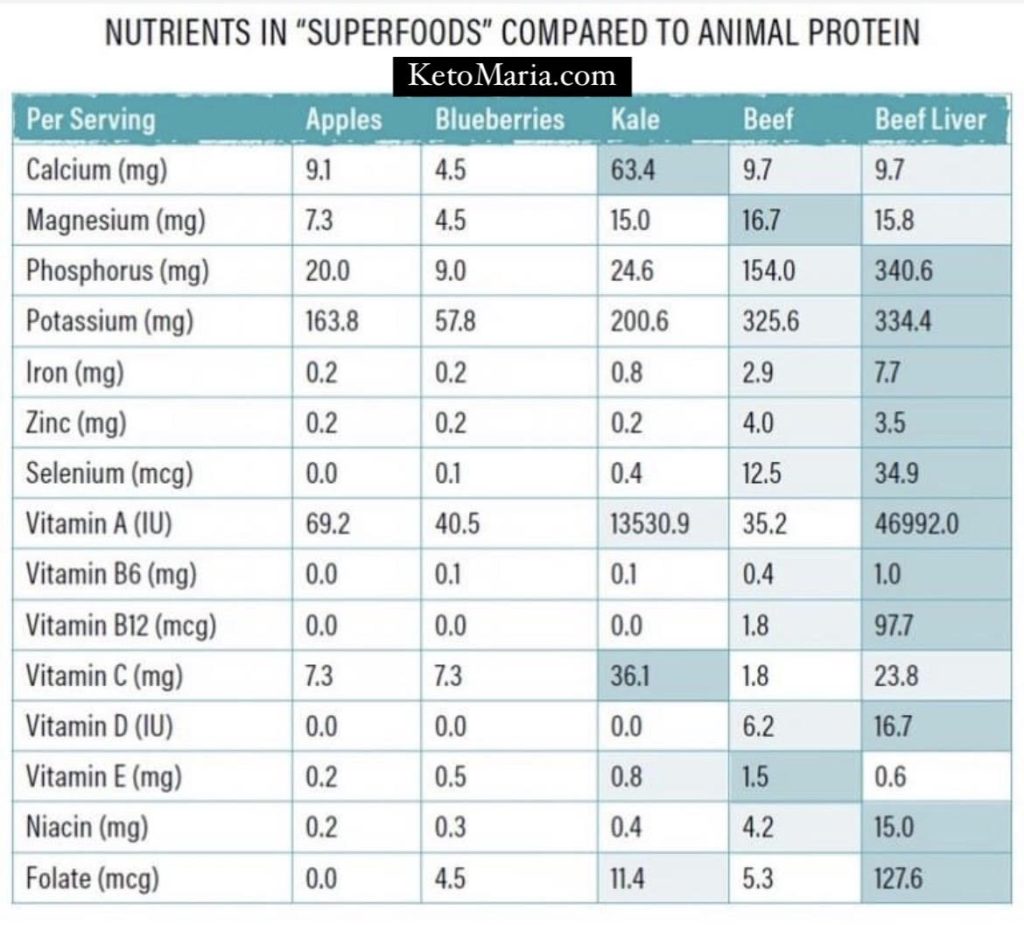
Vegetables provide valuable nutrients, phytochemicals, and fiber, but they are generally not as concentrated in protein or certain highly bioavailable micronutrients as meat.
Meat supplies complete protein containing all nine essential amino acids. It is also naturally rich in nutrients that can be difficult to obtain in meaningful amounts from vegetables alone, including:
- vitamin B12
- highly bioavailable heme iron
- zinc
- selenium
- creatine
- carnitine
- taurine
- choline
- niacin and other B vitamins
When calories, serving size, protein quality, and nutrient bioavailability are considered, animal protein are often far more concentrated sources of the nutrients needed to maintain muscle and prevent deficiencies.
Protein for Strong Bones
Bones are not made from calcium alone. Approximately half of bone volume is composed of protein, primarily collagen, which creates the flexible framework upon which minerals are deposited.
Without adequate protein, the body may not have the amino acids required to maintain that structural matrix. Protein also supports the muscles surrounding the skeleton, helping improve balance, stability, and mechanical loading of bone.
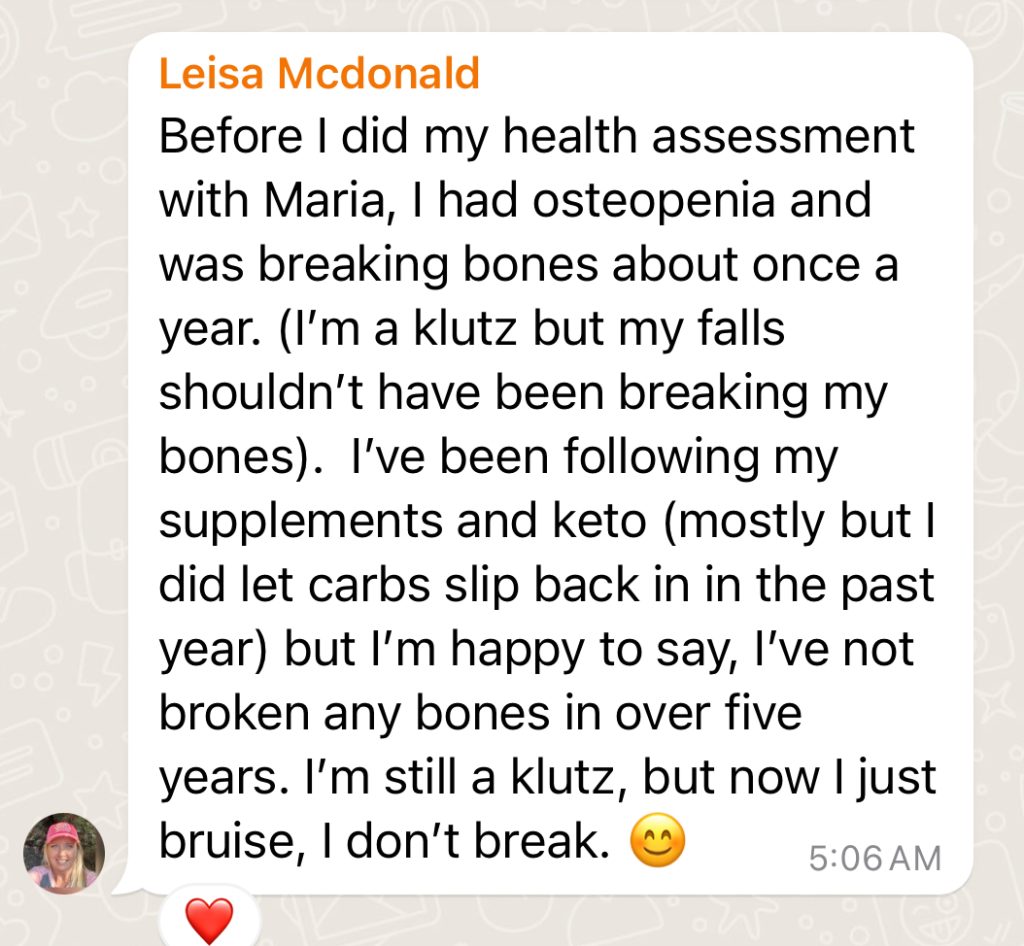
This is particularly important as we age. Preserving both bone and muscle can help reduce frailty, falls, fractures, and the gradual loss of independence.
A strong skeletal system requires more than calcium and vitamin D. It also requires adequate protein and regular resistance training.
 Protein for Building and Preserving Muscle
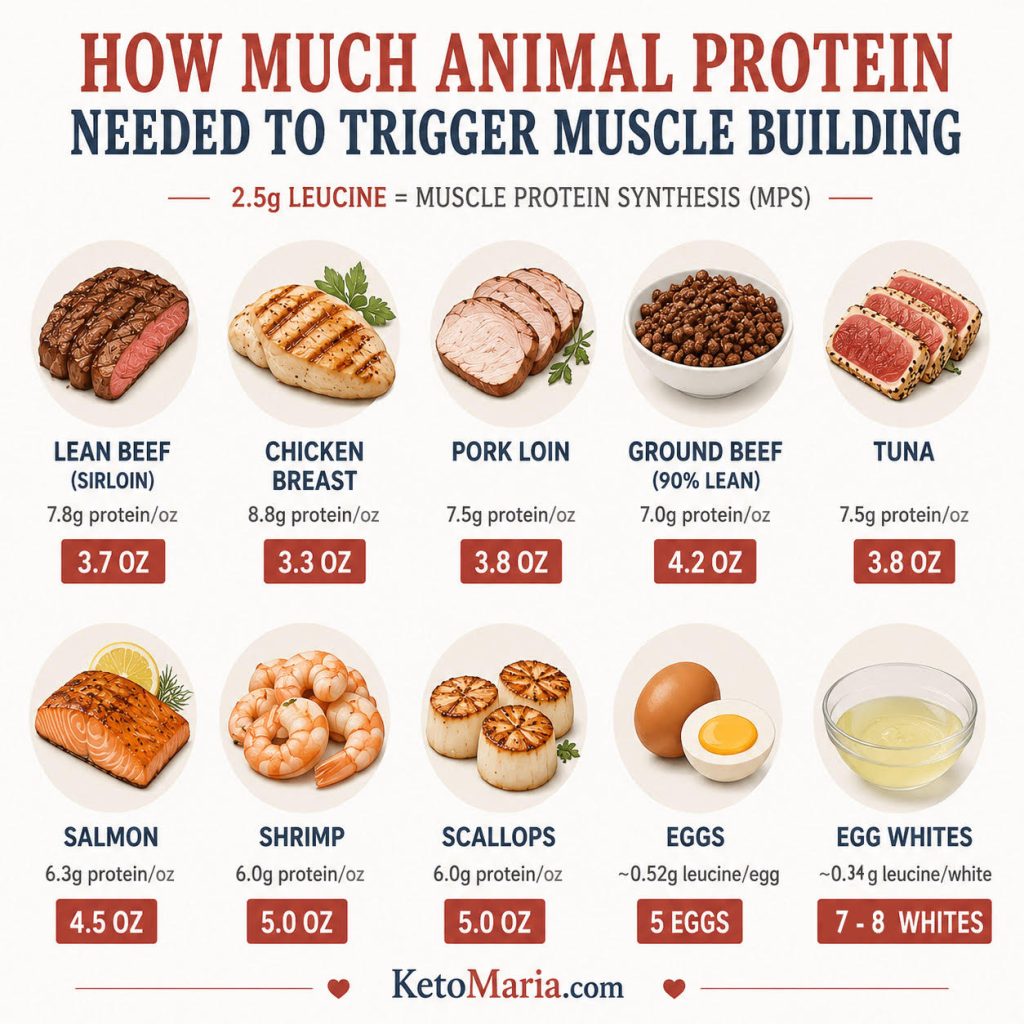
Muscle is in a constant state of breakdown and rebuilding. Eating adequate protein provides the essential amino acids needed to stimulate muscle protein synthesis and repair the tissue stressed during exercise and everyday activity.
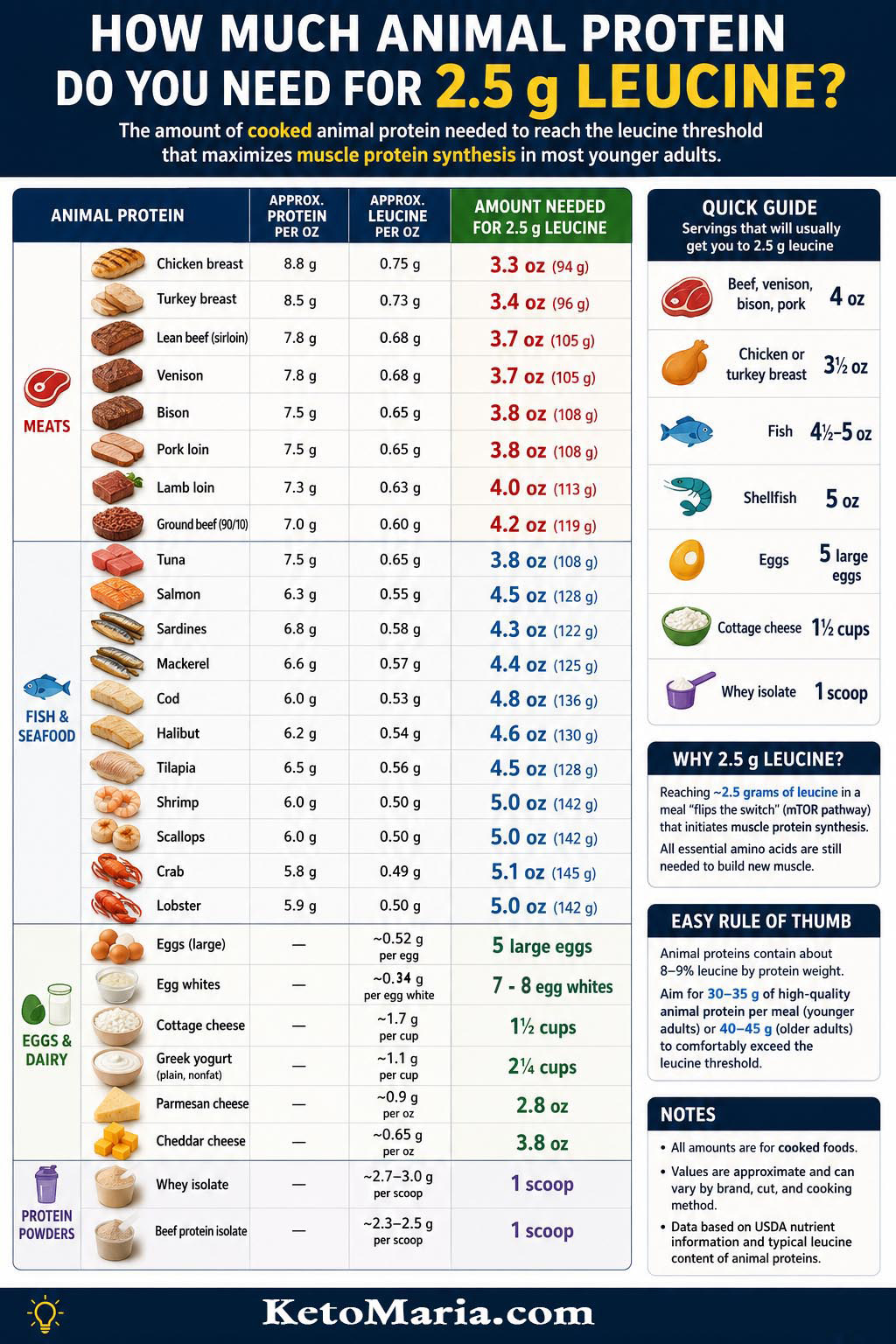
Leucine is especially important because it helps activate the cellular machinery involved in building muscle. Animal proteins such as beef, eggs, poultry, fish, and dairy generally provide abundant leucine along with the other essential amino acids required to complete the rebuilding process.
Protein becomes increasingly important with age because older adults often experience anabolic resistance. This means the muscles become less responsive to small protein servings and may require a larger amount of high-quality protein to generate the same muscle-building response.
Maintaining muscle is not merely about appearance. Muscle supports glucose disposal, metabolic health, mobility, physical resilience, and healthy aging.
Protein for Healthy Skin
Skin depends heavily on structural proteins. Collagen provides strength and support within the dermis, while elastin contributes flexibility. Keratin forms an important part of the outer skin barrier.
The body needs amino acids such as glycine, proline, lysine, and cysteine to manufacture these proteins. Vitamin C, zinc, copper, and other nutrients also participate in collagen formation and skin repair, which is another reason nutrient-dense protein foods can be valuable.
Protein cannot prevent every visible sign of aging, but inadequate intake can make it harder for the body to maintain and repair skin tissue.
Protein for Hair Growth
Hair is composed primarily of keratin, a structural protein. Growing hair follicles therefore require a dependable supply of amino acids along with nutrients such as iron, zinc, selenium, biotin, and vitamin B12.
When calories or protein are severely restricted, the body may redirect resources away from hair growth toward processes that are more immediately necessary for survival. This can contribute to increased shedding several weeks or months later.
Hair loss has many possible causes, including hormonal changes, thyroid dysfunction, stress, illness, genetics, and nutrient deficiencies. Protein will not correct every cause, but adequate intake is an essential part of the foundation for healthy hair growth.

Protein for Healing After Surgery or Injury
Healing is an energy- and protein-intensive process. After surgery, trauma, burns, or a significant wound, the body must manufacture new collagen, blood vessels, enzymes, immune proteins, and tissue.
Protein deficiency can slow collagen formation, reduce wound strength, impair immune function, and delay recovery. Protein needs may rise substantially during illness or healing because the body is using amino acids more rapidly.
This is why protein should not be treated as optional during recovery. It is one of the fundamental materials the body uses to rebuild what has been damaged.
A protein-rich recovery plan may include meat, fish, eggs, dairy if tolerated, broth or gelatin as complementary foods, and carefully selected protein supplements when whole-food intake is inadequate. Individual needs should be discussed with the surgical or medical team, especially when kidney disease or other medical conditions are present.
Protein and Natural GLP-1 Release
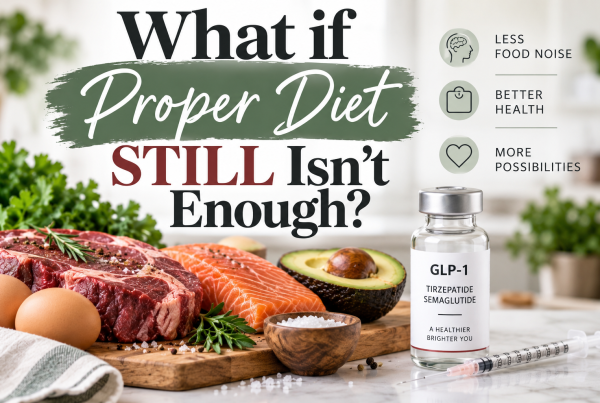
GLP-1 is a gut-derived peptide hormone involved in appetite regulation, gastric emptying, insulin secretion, and glucose control. It has received enormous attention because medications that activate the GLP-1 receptor can produce substantial weight loss.
But the body also produces GLP-1 naturally after eating.
Protein and amino acids can stimulate the release of GLP-1 and other satiety hormones such as peptide YY. This is one reason protein-rich meals tend to be more satisfying than meals based primarily on refined starch or sugar.
Dietary protein does not produce the same pharmacological effect as a prescription GLP-1 receptor agonist. However, it can support the body’s normal satiety signaling and help make meals more filling.
This creates a powerful combination:
Protein supports muscle while also helping control hunger.
That makes it especially valuable during fat loss, when the goal is not simply to weigh less but to lose fat while preserving metabolically active tissue.
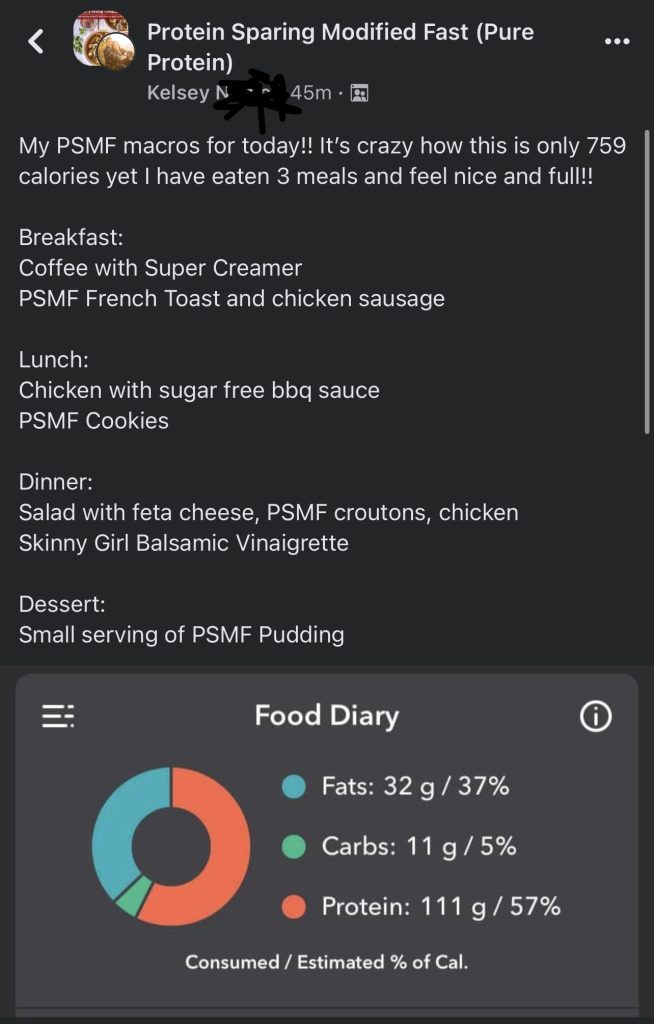
Protein Helps Preserve Muscle During Weight Loss
Weight loss and fat loss are not the same thing. Any substantial calorie deficit can reduce both body fat and lean tissue. The goal of a well-designed fat-loss plan should be to maximize fat loss while minimizing muscle loss.
Adequate protein helps by supplying the amino acids required to maintain muscle during an energy deficit. Resistance training provides the mechanical signal telling the body that muscle is still needed.
Together, protein and strength training send a powerful message:
Burn stored energy, but keep the valuable tissue.
The more aggressive the calorie deficit, the more important this strategy becomes.
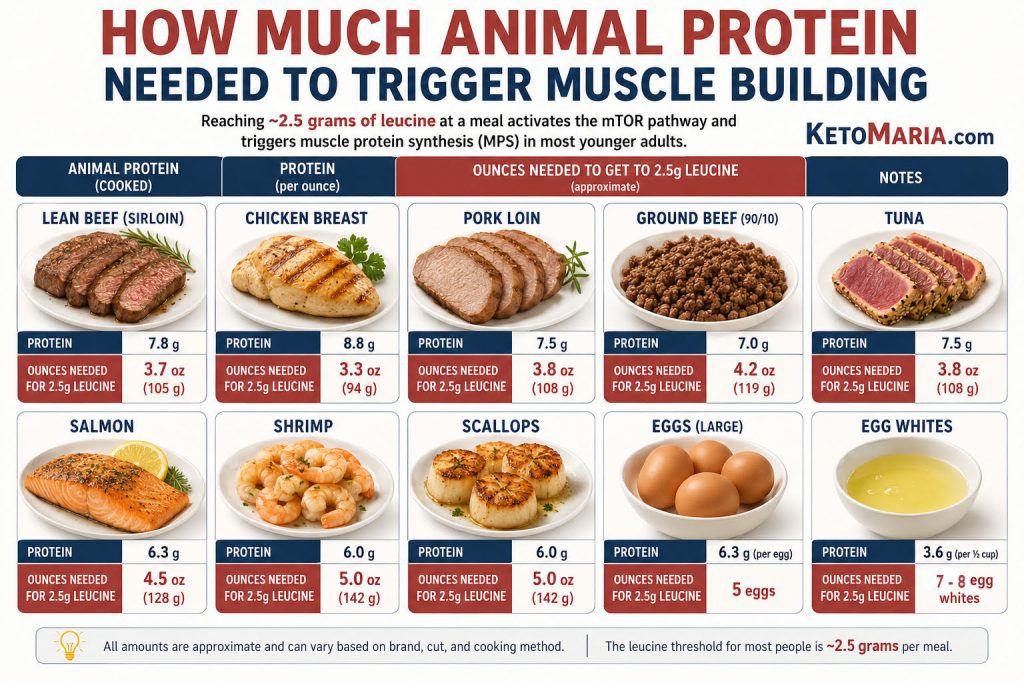
Fast Fat Loss With Less Muscle Loss: Protein Sparing Modified Fasts
A protein-sparing modified fast, or PSMF (Pure Protein Day), is a highly structured, very-low-calorie approach designed to produce rapid fat loss while supplying enough protein to reduce the loss of lean tissue.
A traditional PSMF emphasizes: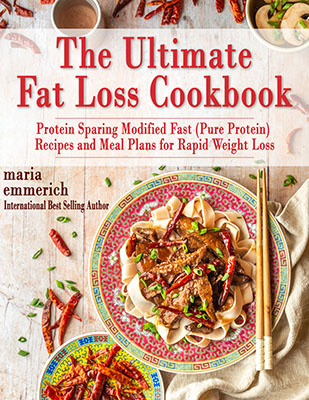
- generous amounts of lean, high-quality protein
- very little added fat
- very few carbohydrates
- adequate fluids and electrolytes
- appropriate vitamin and mineral support
- resistance training when medically appropriate
The word protein-sparing describes the goal: providing enough protein to help preserve lean mass while stored body fat supplies much of the remaining energy.
When used correctly in the right person, a PSMF can be an effective short-term tool. But the long-term goal remains the same: maintain the fat loss while protecting muscle and building a sustainable way of eating.
Click HERE to check out our best selling book The Ultimate Fat Loss Cookbook to do a PSMF diet properly (CLICK HERE to see all our PSMF ebooks).
Complete Protein Matters
The amount of protein in a food is only part of the story. Protein quality also matters.
A high-quality protein supplies all nine essential amino acids in adequate proportions and is readily digested. Meat, fish, eggs, and dairy are naturally complete proteins. Most individual plant foods are lower in one or more essential amino acids, although carefully combined plant foods can still meet protein needs.
Collagen and gelatin are valuable complementary proteins, particularly for their glycine-rich amino acid profile, but they are not complete proteins. They should complement rather than replace complete protein sources when muscle maintenance is the goal.
Maintaining Muscle While Losing Body Fat
The most important thing when you are trying to lose body fat is to also maintain as much muscle as possible. Having more muscle mass makes your BMR (Basal Metabolic Rate) higher meaning you can eat more calories in maintenance. The more muscle you lose during fat loss, the less you can eat to maintain. Having more muscle also means better strength, mobility, stability and has been positively associated with longevity and lifespan in many studies.
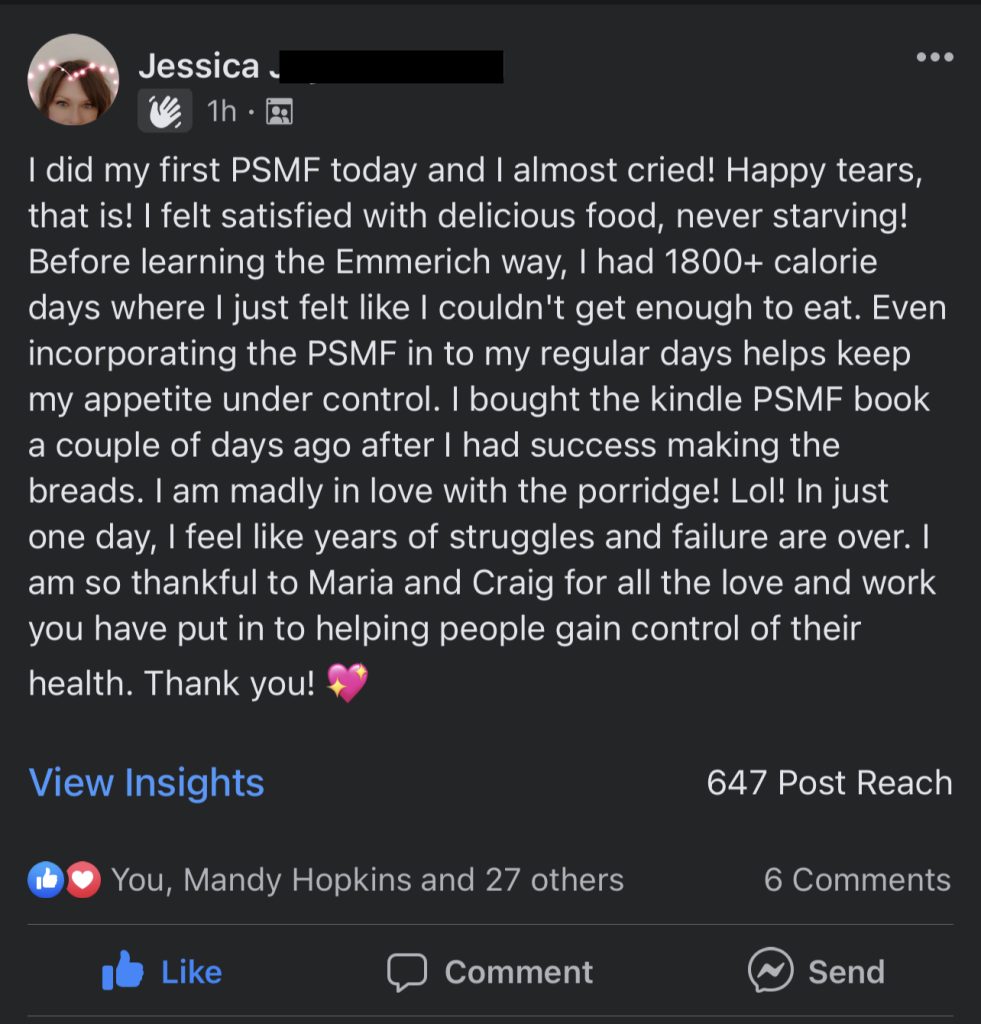
So everyone should strive to maintain as much muscle as possible while losing body fat. There are two components to this. The most important is to make sure you get enough complete protein every day. This means getting to 2.5 grams of leucine, ideally in your first meal of the day and then again in at least 1 more meal. The second is strength training or even yoga/stretching.
At least one influencer in the carnivore community will say that you can get enough protein from the fat you eat. As the chart below shows, that isn’t a recipe for fat loss or maintaining muscle. It takes 44 sticks of butter to get enough leucine to trigger muscle protein synthesis (MPS) ONE TIME! That is over 36,000 calories. Nobody is losing body fat with that.
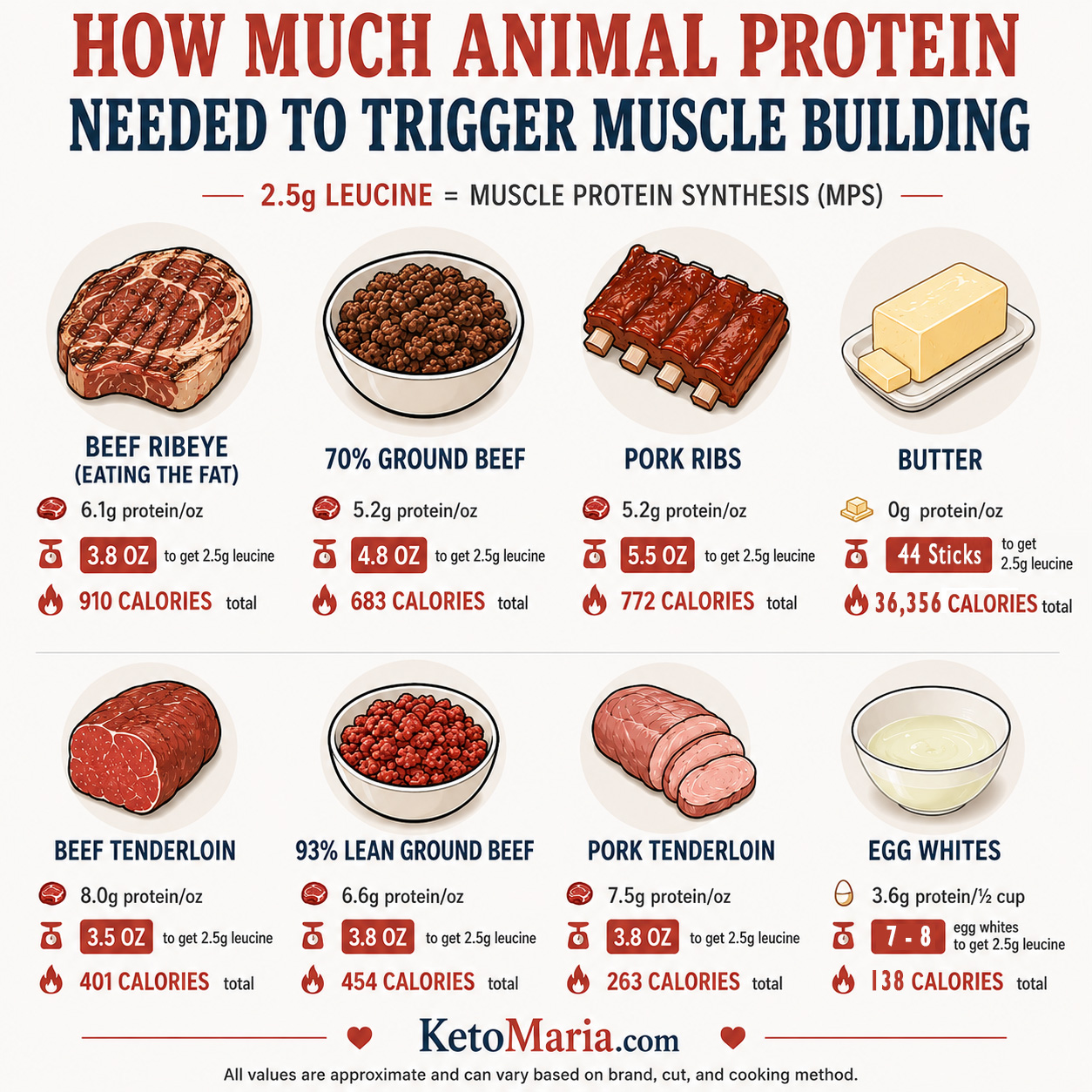
You will also see how eating the fattiest cuts of meat will also greatly raise the number of calories you consume to get enough leucine to maintain muscle. A fatty ribeye take about 910 calories worth to get 2.5 grams leucine while the tenderloin takes only 401 calories. If healthy fat loss is the goal, you want to lose body fat while maintaining muscle and the best way to do this is with leaner cuts of animal proteins.
How Much Protein Do You Need?
The standard protein RDA of 0.8 grams per kilogram of body weight is designed to prevent inadequacy in most generally healthy adults. It should not automatically be interpreted as the ideal target for maximizing satiety, preserving muscle during weight loss, recovering from injury, or supporting healthy aging.
Protein needs vary with:
- age
- body size and body composition
- activity level
- resistance training
- calorie intake
- illness or injury
- pregnancy and breastfeeding
- fat-loss goals
Many active adults and people trying to preserve muscle during fat loss may benefit from an intake above the minimum RDA. The best target should account for the person’s lean mass, goals, tolerance, and medical status.
Click HERE to use our FREE macro calculator to find out how much protein you need!
“Craig and Maria I know I have said this before but you guys have changed my life. I started off with your book Keto and other books and your videos and interviews have explained so much. I can’t wait for the new book when it comes out. I learned so much. I love that as you learn more you share it with us.
Your macro calculator is such a wonderful tool. I never thought in a million years I could be where I am today. You guys helped me hit my goal weight and my body composition goals and truly learn how to eat to nourish myself. I feel strong and so grateful for you both. Thank you with all my.”
Make Complete Animal Proteins the Center of the Meal
A simple way to improve protein intake is to choose the protein source first and build the rest of the meal around it.
Examples include:
- eggs with lean steak for breakfast
- chicken, turkey, tuna, or shrimp at lunch
- beef, pork, lamb, or fish at dinner
- Greek yogurt or cottage cheese if dairy is tolerated
- a complete animal-based protein powder when convenience is needed
Spread protein across the day instead of trying to consume all of it at dinner. Make each meal large enough to provide a meaningful amount of complete protein and essential amino acids.
Final Thoughts
Protein is not just a macronutrient or a number to track. It is structural material, metabolic machinery, and biological information.
It helps build bones, preserve muscle, maintain skin and hair, support peptide hormones, regulate appetite, and rebuild the body after injury or surgery. During fat loss, protein helps determine whether the weight lost comes primarily from stored body fat or from the lean tissue we need to protect.
Vegetables can provide some vitamins, minerals, and plant compounds, but meat delivers a uniquely concentrated combination of complete protein, vitamin B12, heme iron, zinc, selenium, creatine, and other valuable nutrients.
The goal is not simply to eat less.
The goal is to give the body enough protein and nutrition to become leaner without becoming weaker and lowering your metabolic rate.
TESTIMONY OF THE DAY
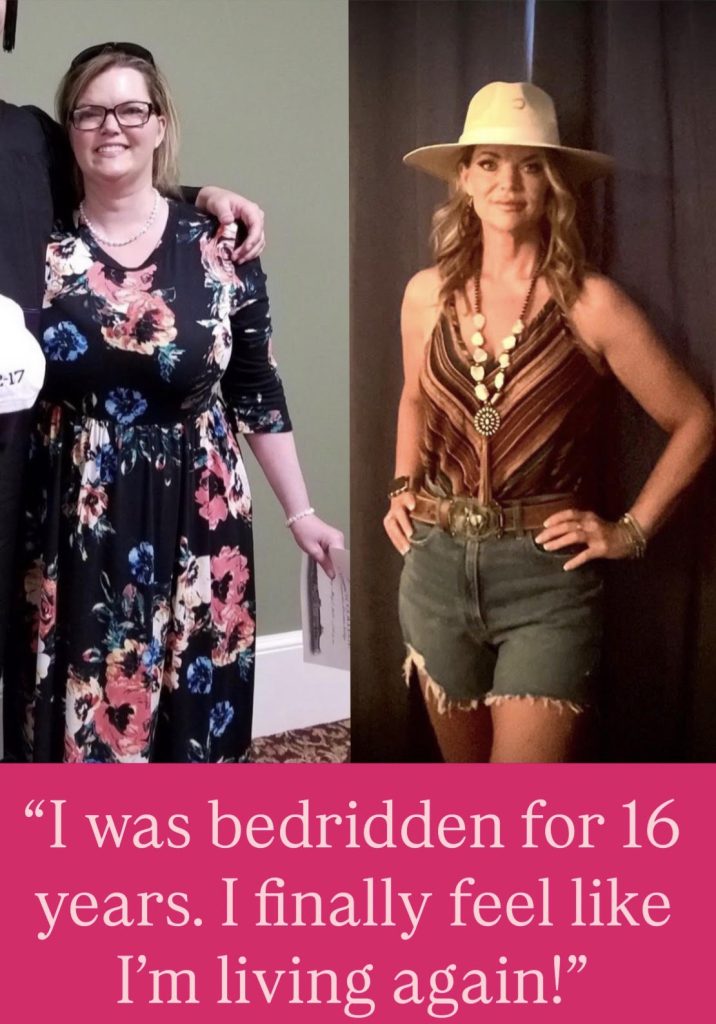
“My name is Shannon H. I was diagnosed with Hypermobile Elhers Danlos (connective tissue disorder) which causes severe pain, inflammation and gastrointestinal issues. I was bedridden for 16 years and in 2020 just after losing my 6 weeks old son due to prematurity complications I decided to change everything about my health and care. I went organic, grass fed and holistic health care along with a Keto diet. I lost 30lbs my first year. After a 6 mos stall I was diagnosed with metabolic syndrome due to (hypo thyroid, lepton resistance and Insulin resistance) My Dr. Recommended I try strict carnivore. This is where I found Maria and Craig’s cook books. They are a wealth of knowledge and delicious recipes. Particularly the protein sparing modified fast was instrumental in my success. Overall it took 3.5 years. I am now able to walk fairly long distances unassisted. I finally feel like I’m living again. Thank you so much for all you do! You are helping people like me everyday. Deepest gratitude” -Shannon
Most people I consult are doing keto totally wrong. Get fast results with the my Mind-blowing Keto School!
Click HERE to check out my supplement plans!







hi guys love your video s and step by step info on proteins and losing weight and body fat I’ m 74 a bit overweight but not really fat fat but viseral fat the stomach fat and if I can have a outlined meal plan of what to eat that would help me in my weight loss process as I am not good with planning my own meals that would help in this process so if there is a book or any other means of getting a good jump start on this weight loss journey that I could follow step by step as I have no allergies to most foods at get on this journey with you guys I would really appreciate it and as I know lots of people are on GLP 1 products and prescriptions but I do not choose that journey as I think in the long term it will be found out to be harmful so I think your approach to weight loss and keeping muscles strong is the way to go. Thank you for your immediate attention to email and whatever I have to purchase for this journey please outline for me. Thanks so much Marlene
You would LOVE our Platinum support membership! We have saved meal plans, our meal planner tool, exclusive recipes, live weekly webinars, our community support app and more! Plus you get access to our monthly Mini Challenges with your membership! https://keto-adapted.com/register/platinum/