Keto Lemon Blender Cake

Everyone goes wild for my keto blender cake which is a chocolate flavor so I thought I would make a delicious lemon blender cake for all of you!
HOW TO MAKE KETO LEMON BLENDER CAKE
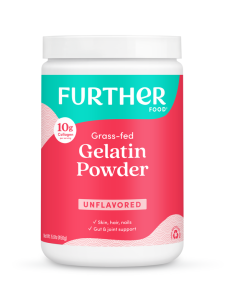
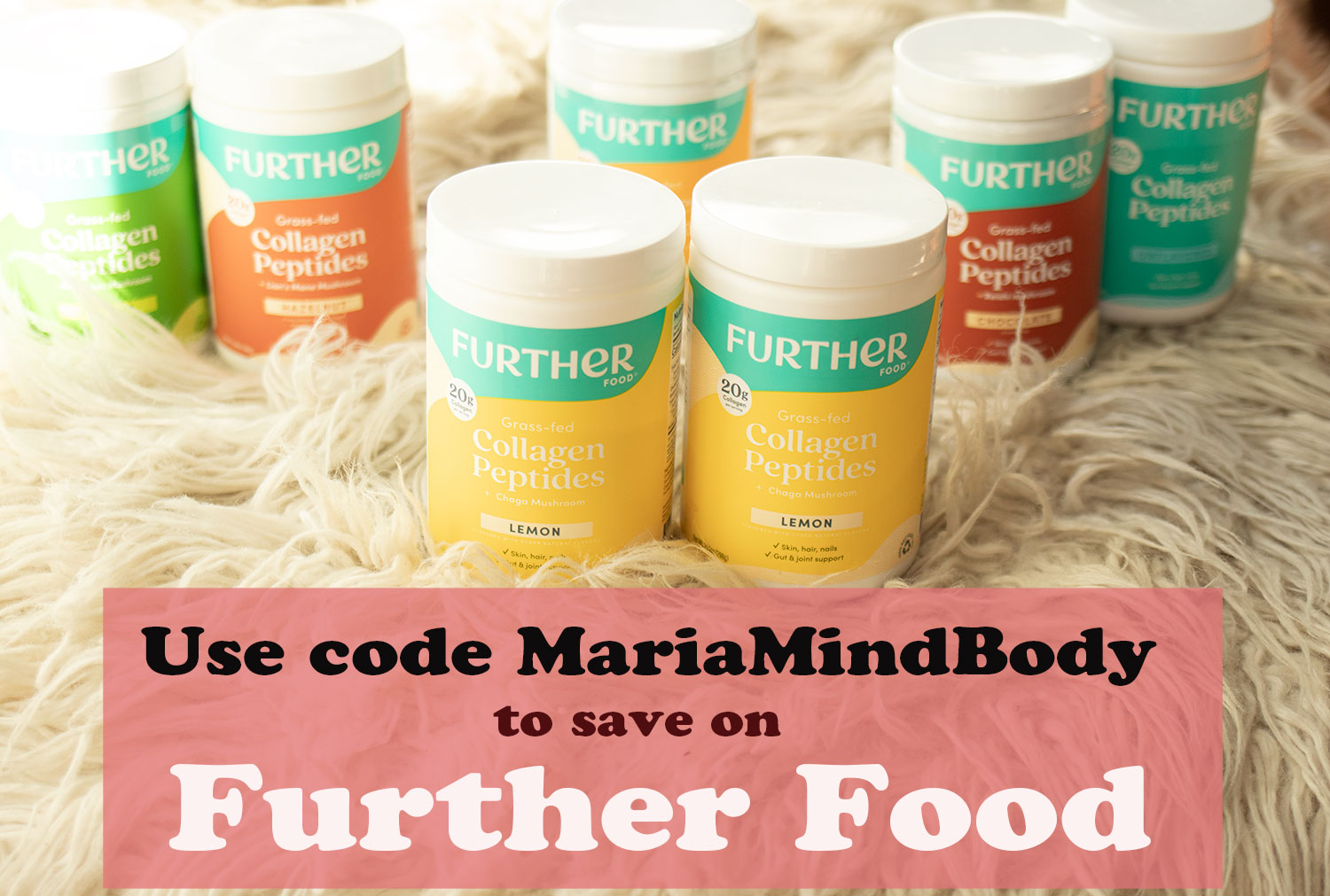
To make my recipe for Keto Lemon Blender Cake, I used Further Foods Lemon Collagen!
The benefits of collagen is so awesome! I love adding it to recipes like this collagen cake!
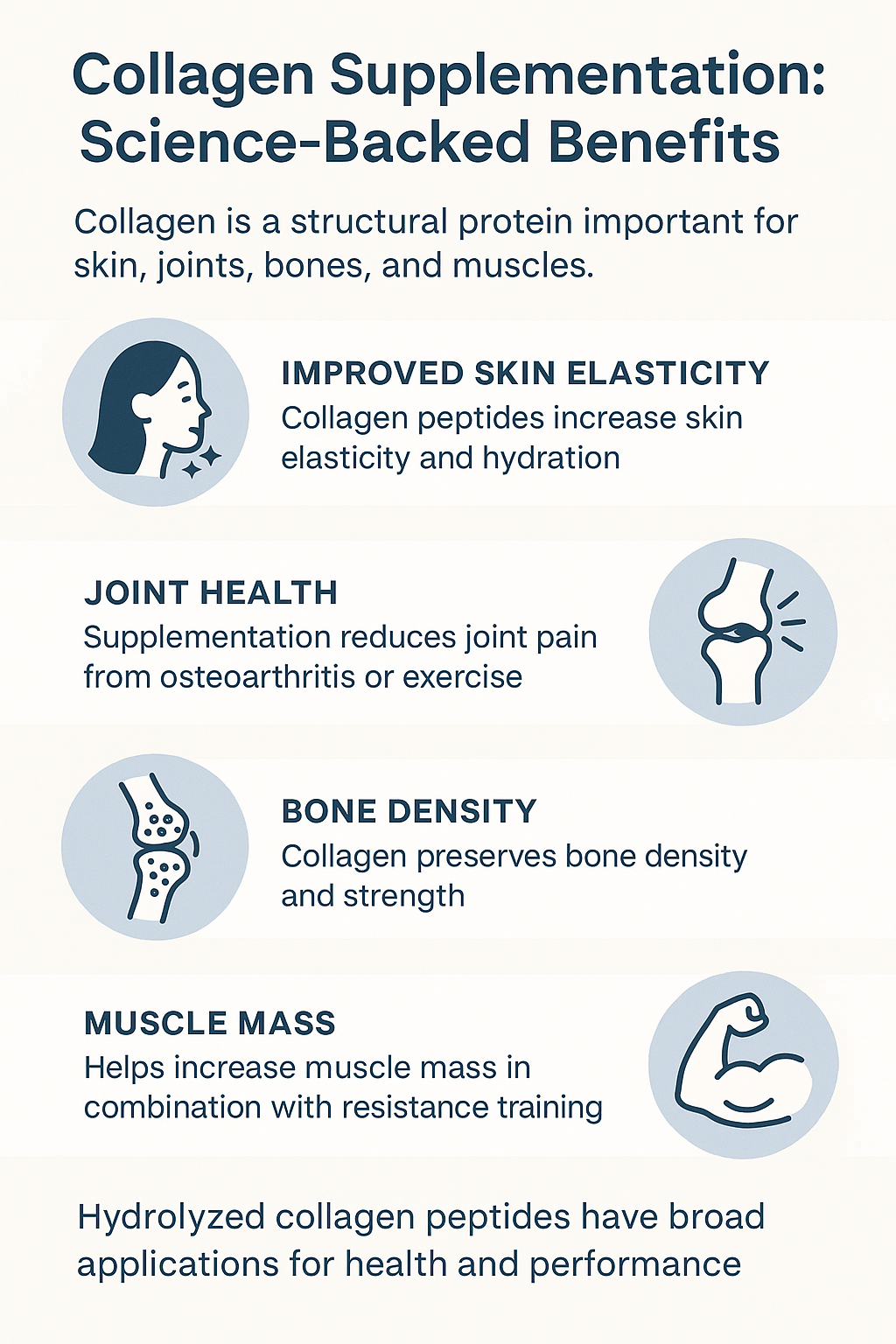
Collagen Supplementation: Evidence-Based Applications for Health and Performance
Collagen, the most abundant structural protein in the human body, comprises approximately 30% of total protein content and plays a central role in maintaining the integrity of connective tissues, skin, tendons, cartilage, and bone. With increasing age, endogenous collagen synthesis declines, contributing to visible signs of aging and the deterioration of musculoskeletal and dermal health.
In recent years, collagen supplementation—particularly hydrolyzed collagen peptides—has gained traction as a targeted intervention for skin health, joint integrity, bone preservation, and muscle support. This article evaluates the current body of literature on collagen peptide supplementation, focusing on clinically relevant outcomes and dosage protocols.
1. Dermatological Applications: Skin Elasticity, Hydration, and Density
Multiple double-blind, placebo-controlled trials have established the efficacy of hydrolyzed collagen in improving skin health. A 2019 systematic review and meta-analysis in the Journal of Drugs in Dermatology concluded that daily supplementation with 2.5 to 10 g of collagen peptides over 8–12 weeks significantly improved skin elasticity, hydration, and dermal collagen density (Zague et al., 2019).
Mechanism: Bioactive collagen peptides stimulate dermal fibroblasts via collagen receptor binding, promoting extracellular matrix remodeling and enhancing hyaluronic acid production.
2. Joint Health: Osteoarthritis and Exercise-Induced Joint Pain
Collagen peptides have been shown to alleviate joint pain associated with both degenerative conditions and physical activity. In a seminal 24-week RCT, Clark et al. (2008) reported that 10 g/day of collagen hydrolysate significantly reduced joint pain during activity in physically active adults compared to placebo (Current Medical Research & Opinion).
Clinical Insight: Collagen peptides may support cartilage regeneration by increasing the synthesis of type II collagen and aggrecan, modulating joint inflammation and improving mobility.
3. Bone Metabolism: Density and Structural Integrity
Collagen accounts for roughly 90% of organic bone matrix. A 12-month randomized controlled trial published in Nutrients (König et al., 2018) demonstrated that postmenopausal women receiving 5 g of specific bioactive collagen peptides daily experienced statistically significant increases in bone mineral density at the lumbar spine and femoral neck, compared to placebo.
Interpretation: These outcomes suggest collagen peptides influence bone turnover markers, potentially reducing osteopenia and fracture risk in aging populations.
4. Sarcopenia and Muscle Mass Preservation
Though collagen is not a complete protein (due to its low leucine and tryptophan content), it may support lean body mass when consumed adjunctively with resistance training. A 2015 RCT in older men found that 15 g/day of collagen peptides taken post-exercise led to increased fat-free mass and improved muscular strength over a 12-week period (Zdzieblik et al., British Journal of Nutrition, 2015).
Mechanism: Glycine and arginine may enhance creatine synthesis and growth factor expression, indirectly supporting hypertrophy in sarcopenic populations.
5. Gastrointestinal Support: Potential in Mucosal Repair
Although human clinical trials remain limited, preclinical data suggest that collagen peptides—particularly glycine-rich sequences—may contribute to gut barrier function and reduce intestinal permeability. Animal models have demonstrated improvements in tight junction protein expression and reduced inflammatory cytokine activity (Chen et al., Journal of Clinical Biochemistry and Nutrition, 2017).
Note: This application remains speculative in human models but is under investigation in integrative and clinical nutrition research.
Dosing and Practical Considerations
| Application | Dose | Duration |
|---|---|---|
| Skin Health | 2.5–10 g/day | 8–12 weeks |
| Joint Support | 10 g/day | 12–24 weeks |
| Bone Density | 5 g/day | 12 months |
| Muscle Mass | 15 g post-workout | 12 weeks |
Absorption Enhancers: Co-administration with vitamin C supports collagen synthesis by activating prolyl and lysyl hydroxylase enzymes required for triple helix stabilization.
Collagen supplementation is supported by a growing body of evidence for applications ranging from skin rejuvenation and joint support to bone metabolism and sarcopenia management. While it should not replace complete proteins in the diet, it serves as a valuable adjunct for structural tissue support—particularly in aging populations and physically active individuals.
As always, clinicians and nutrition professionals should individualize recommendations based on patient needs, dietary context, and health status. Given its low allergenicity, favorable safety profile, and multi-system benefits, hydrolyzed collagen peptides represent a clinically useful tool in health optimization.
Stock up on Further Food collagen so you can have beautiful skin for decades!
Further Food is so generous, when you use code MariaMindBody, you SAVE!
Click HERE to stock up on Further Food!
Keto Lemon Blender Cake
Equipment
Ingredients
- 1 1/2 cups powdered allulose or erythritol
- 1/2 cup salted butter melted (or coconut oil)
- 4 large eggs
- 1 teaspoon almond extract (or lemon extract)
- 1 3/4 cup blanched almond flour
- 1 1/2 cups Further Food Lemon Collagen
- 1/2 cup coconut flour
- 1 teaspoon baking soda
- 1 teaspoon baking powder
- 1/2 teaspoon Redmond Real salt
- 3/4 cup very hot water
LEMON GLAZE:
- 3/4 cup powdered allulose
- 4 tablespoons Further Food Lemon Collagen
- 4 tablespoons heavy cream
- 1 teaspoon lemon extract
- 1/8 teaspoon Redmond Real salt

Instructions
- Preheat the oven to 300F (if using allulose) 350F (if using erythritol) and grease a 9 inch bundt pan really well with butter (or coconut oil).
- Put the natural sweetened, butter, eggs and vanilla into a blender and pulse until well-blended and smooth. Add the almond flour, collagen, coconut flour, baking powder, baking soda and salt. Pour the hot water over the top (it will start to bubble as it hits the baking powder and soda) and pulse, scraping down the sides of the blender once or twice, until smooth.
- Pour into the prepared pan and bake for 45-55 minutes, or until cracked on top and springy to the touch. Remove from oven and allow to cool for about 10 minutes before turning out onto a wire rack to cool complete before glazing. TIP: To cool, I suggest placing the bundt pan in an ice bath for 10 minutes. This way, the cake won't break or crack when removing it from the pan.
- To make the easy lemon glaze, place all the ingredients into a medium bowl and stir well to combine. Taste and adjust sweetness to your liking. Drizzle over cooled cake.
- Cut into 12 slices and serve. Store extras in an airtight container in the fridge for up to 7 days. Can be frozen for up to a month.
Nutrition
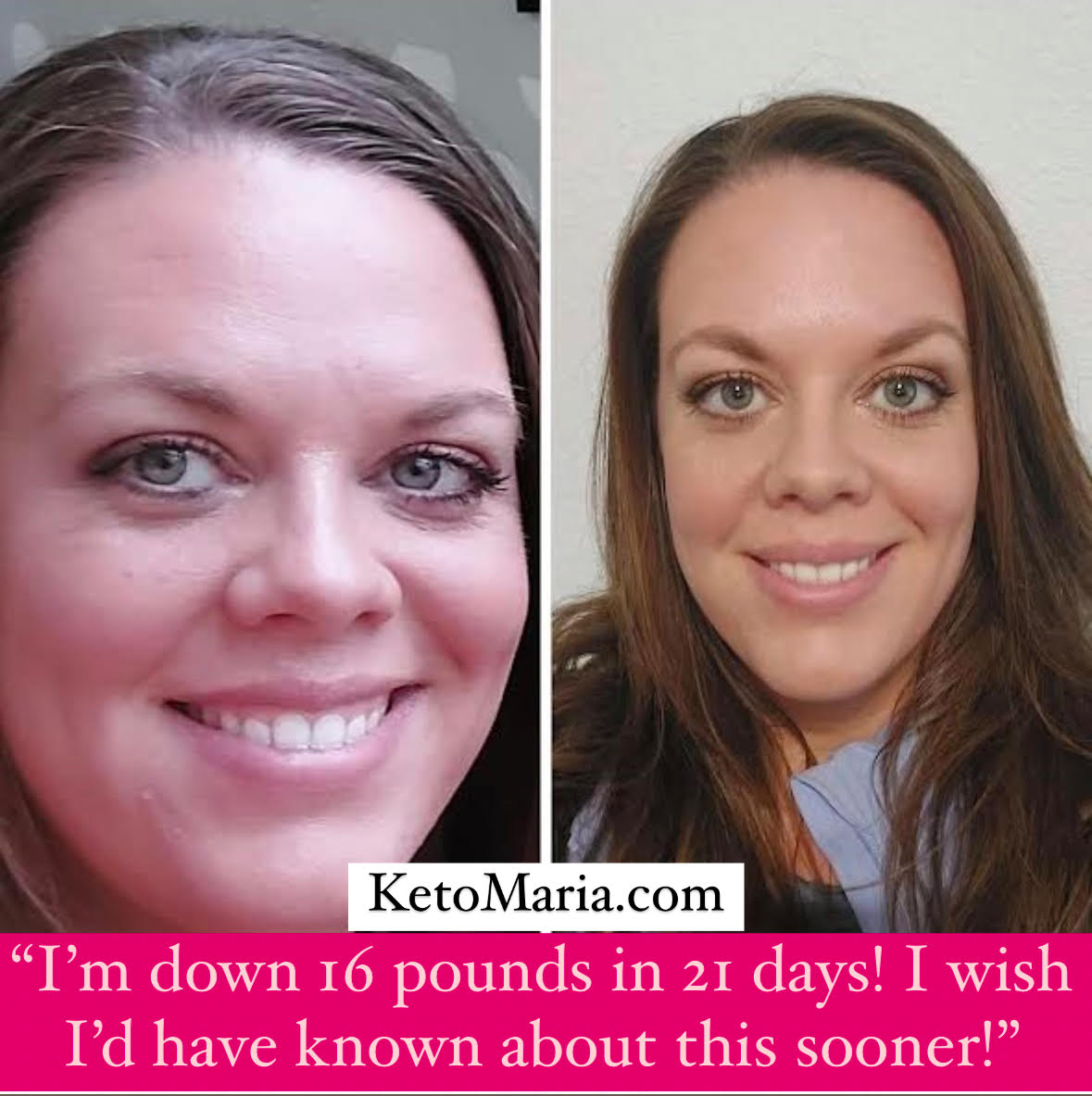
TESTIMONY OF THE DAY
“End of week 3 update: I am down 5 pounds this week! That’s 16 pounds in 21 days!! I wish I’d have known all of this sooner.
I have struggled for years eating healthy and still not being able to lose weight. Maria and Craig Emmerich’s information and macro calculator seem to be spot on!
I’m so thankful for something working for me finally. I don’t have any food pics this week, I really kept it extra simple. I can’t wait to see next week’s results! (1st pic before, 2nd after) maybe when I get more weight off I’ll be more confident posting a body picture.” -Beth
Most people I consult are doing keto totally wrong. Get fast results with the my Mind-blowing Keto School!
Click HERE to check out my supplement plans!