How I Reversed My Hair Loss and Repaired My Damaged Hair
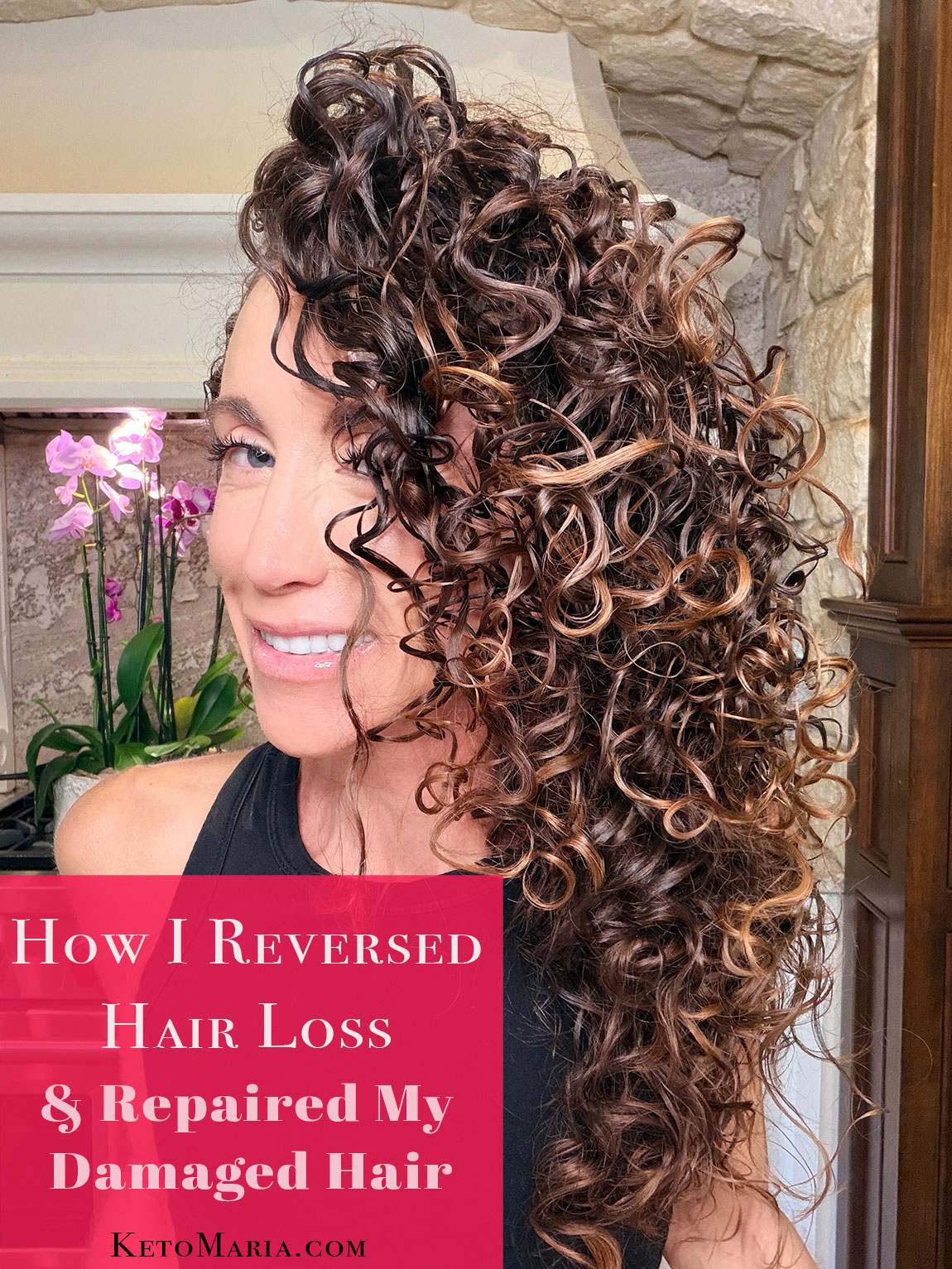
Hair loss can feel deeply personal. For me, it was not simply a cosmetic issue. It was a visible sign that something inside my body was not functioning as well as it should.
4 years ago my hair had become thinner, weaker, drier, and much more prone to breakage. I was losing hair from the root while also watching the hair I still had become increasingly damaged. No single shampoo, serum, or supplement was going to solve both problems. I want to share with you how I reversed my hair loss and repaired my damage hair so you don’t need to suffer like I did.
I eventually learned that I needed to approach my hair from two different directions:
- Correct the internal issues contributing to shedding and poor growth.
- Repair and protect the damaged hair that was already on my head.
My blood work revealed a shocking issue. I had low iron despite eating carnivore at the time. Red meat was something I consumed everyday, so why was I low in iron?
Turns out, I was extremely low in testosterone. Low testosterone can contribute to reduced iron availability by increasing hepcidin and decreasing red blood cell production. At the same time, iron deficiency can contribute to hormonal dysfunction, and chronic illness or inflammation can lead to both conditions occurring together.
With my diagnosis, I created a comprehensive plan that included nutrition, targeted supplementation, hormone therapy, scalp treatments, red light, microneedling, GHK-Cu, and bond-repair products.
Hair recovery was not immediate, but by addressing the underlying causes instead of searching for one miracle product, I was able to dramatically improve both the growth and quality of my hair.
Hair Loss Is Often a Symptom, Not the Root Problem
When hair begins shedding, the temptation is to focus only on the scalp. But hair follicles are living structures influenced by nutrition, hormones, illness, stress, medications, energy intake, thyroid function, and overall metabolic health.
In my case, the shedding was connected to low iron and hormonal changes. At the same time, years of styling, coloring, heat, and normal wear had damaged the hair shaft itself.
These were two separate problems:
- Hair loss was happening at the follicle.
- Hair damage was happening along the existing strand.
That distinction completely changed my approach.
Chart 1: The Two Sides of Hair Recovery
| Problem | What was happening | What I used to address it |
|---|---|---|
| Follicle-level shedding | Low iron, hormonal changes, inadequate growth support | Iron-focused supplementation, animal protein, vitamin D, HRT, red light and scalp care |
| Reduced density | Fewer hairs remaining in the active growth phase | Red light therapy, microneedling and a medically supervised hormone plan |
| Weak new growth | The body lacked optimal nutritional building blocks | Complete animal protein, iron-rich foods, vitamin D and minerals |
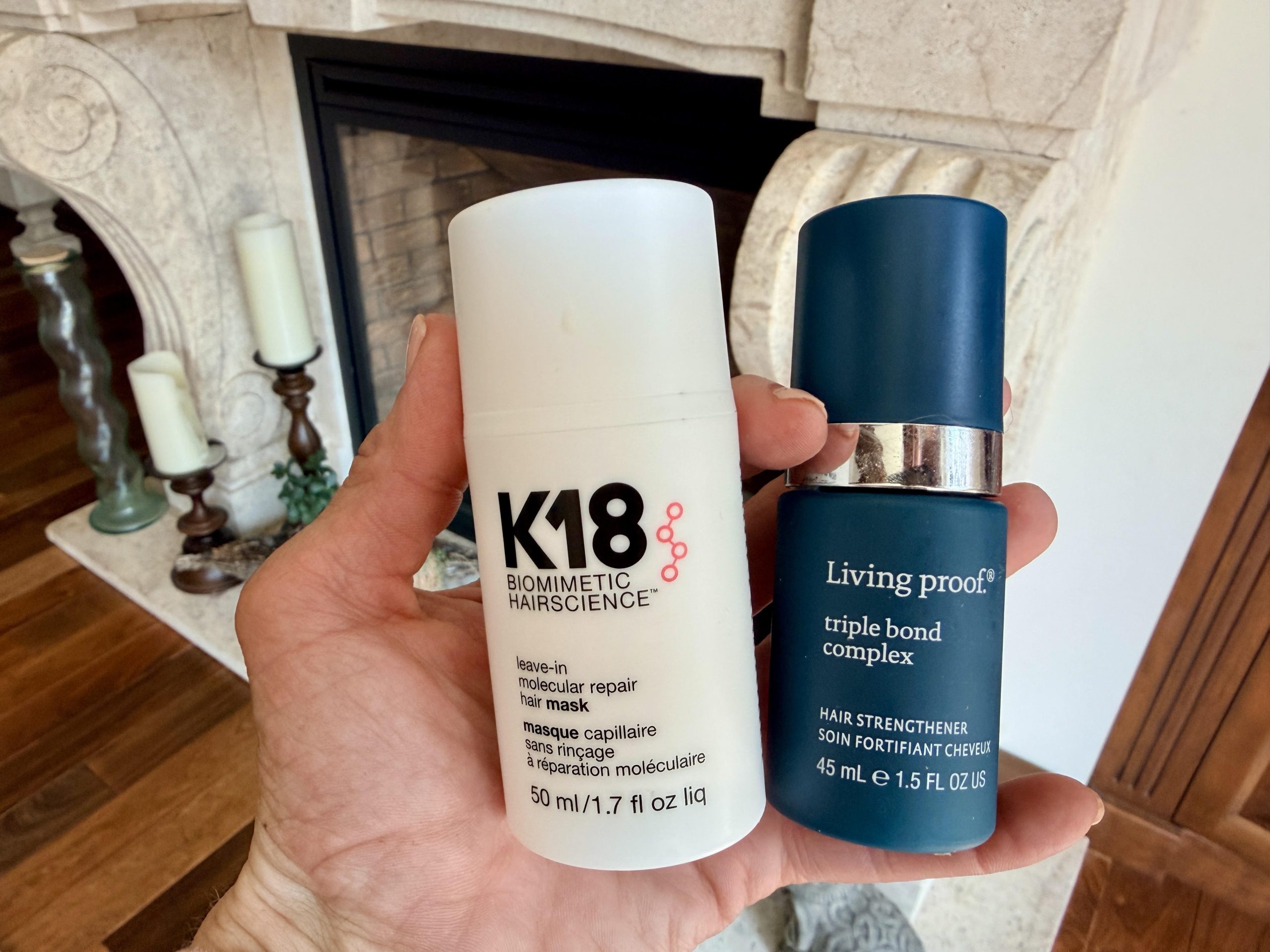
| Dryness and breakage | Damage to the existing hair shaft | K18 and Living Proof bond-repair treatments |
| Poor resilience | Repeated heat, coloring and mechanical stress | Reduced damage, gentle styling and regular conditioning treatments |
Correcting My Low Iron Was Foundational
Iron is required for hemoglobin production and oxygen transport. Hair follicles are metabolically active, and iron deficiency is commonly considered when someone develops diffuse shedding or telogen effluvium.
I did not start taking large amounts of iron on my own. Iron can accumulate in the body, and excessive supplementation can be harmful. I used blood work to evaluate my iron status and followed my levels over time.
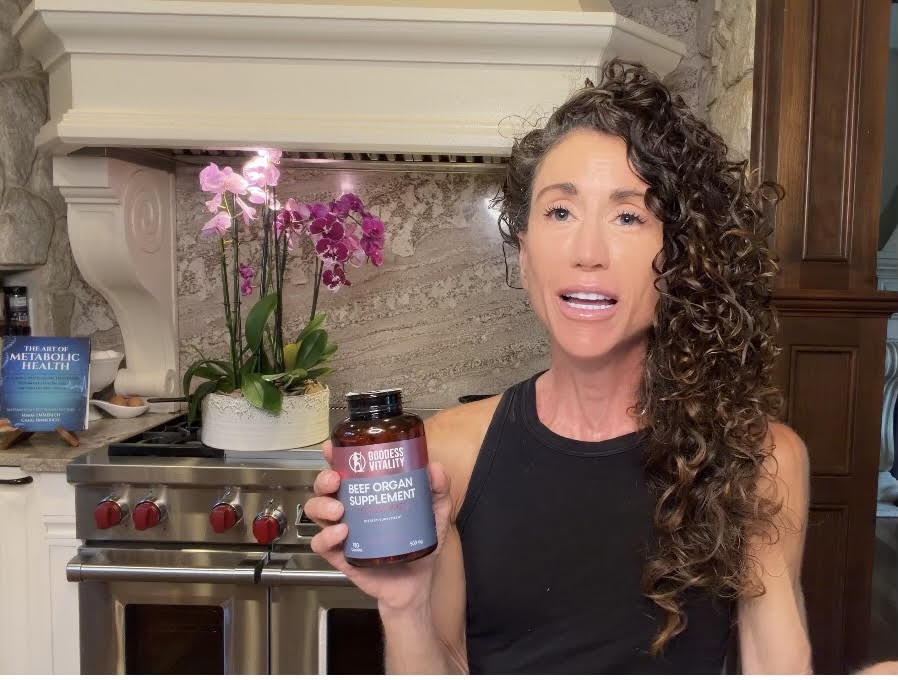
To support my iron naturally, I focused on iron-rich animal foods and used Goddess Vitality supplements, an organ-based supplement intended to provide nutrients naturally found in foods such as liver, spleen, heart, and other organs.
Organ meats can supply iron along with vitamin B12, folate, copper, vitamin A, and other nutrients involved in red blood cell production and tissue health. Using an organ supplement made this much easier and more consistent for me than preparing organ meats every day.
The goal was not merely to take an iron pill. It was to restore the nutritional environment my hair follicles needed while verifying the response through laboratory testing.
Why Low Testosterone Mattered for Me
Hormones affect hair in complex ways. Too much androgen activity can worsen pattern hair loss in genetically susceptible people, but very low sex-hormone levels may also occur alongside menopause-related changes in skin, muscle, energy, and hair quality.
My own testing showed that my testosterone was low. Working with a knowledgeable medical professional, I incorporated hormone replacement therapy that included testosterone.
This part must be individualized. Testosterone is not a universal treatment for female hair loss, and too much can potentially worsen scalp hair loss, acne, or unwanted facial hair. The dose, symptoms, blood levels, androgen sensitivity, and pattern of hair loss all matter.
For me, correcting a documented deficiency was part of restoring my overall hormonal health. It was not something I treated as a standalone hair-growth drug.
HRT Was Part of a Bigger Health Plan
Hormone replacement therapy was not simply about my hair. It was part of addressing the broader hormonal changes affecting my body.
The hair follicle does not exist in isolation. Hormones influence skin, connective tissue, muscle, energy, sleep, mood, and metabolic health. Improving the overall hormonal environment helped support the bigger recovery process.
I continued monitoring symptoms and laboratory markers because hormone therapy should never be based on guesswork. More is not always better, especially with testosterone.
I Made High-Quality Animal Protein a Priority
Hair is made primarily from keratin, a structural protein. The body therefore needs a dependable supply of amino acids to build new hair.
This sounds obvious, yet protein is often overlooked when people experience hair loss. Someone can take every hair supplement on the market, but the body still needs enough total protein and essential amino acids to construct the hair shaft.
I centered my diet around high-quality animal proteins, including:
- beef
- eggs
- poultry
- fish and seafood
- pork
- complete animal-based protein powders when convenient
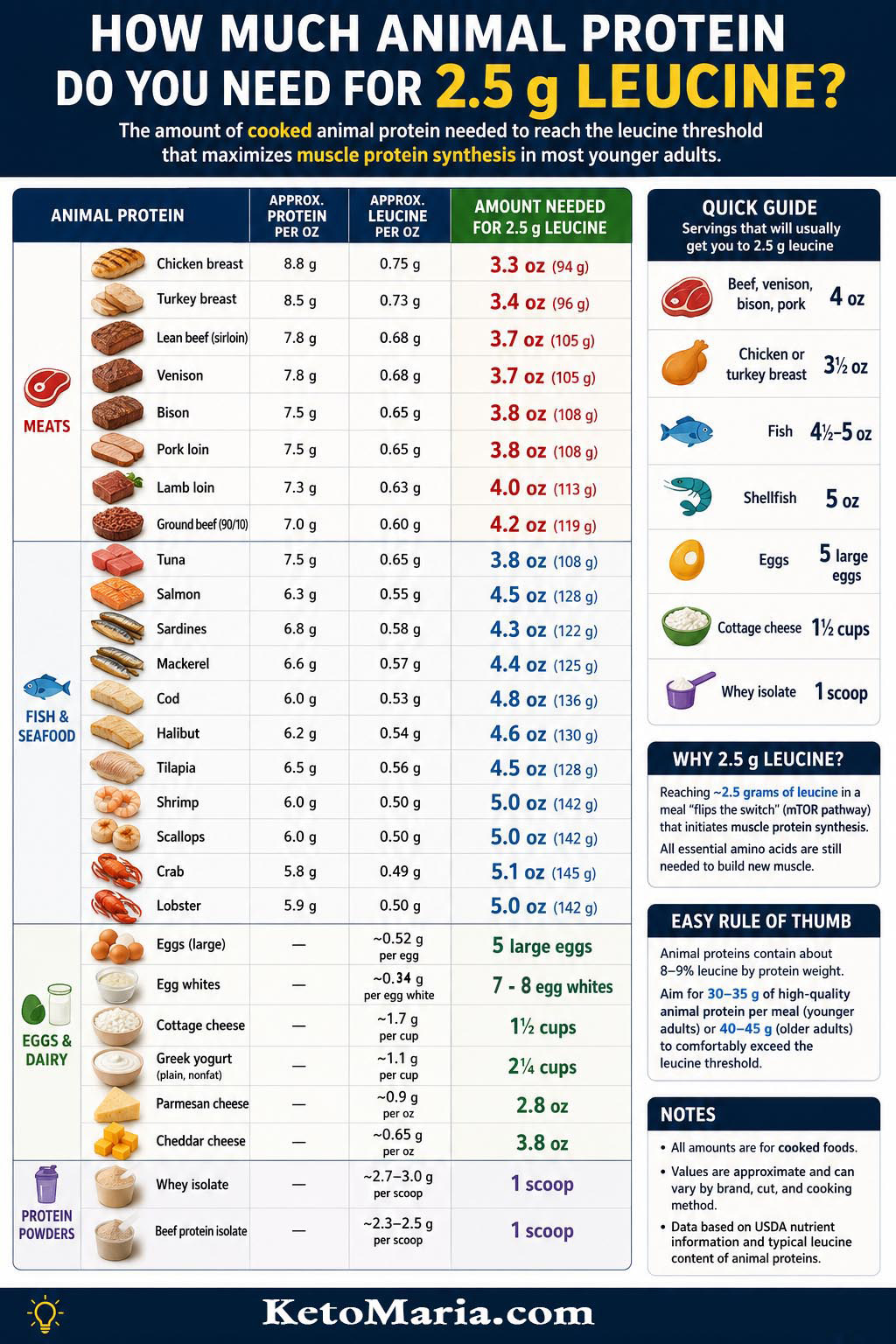
Animal proteins provide all nine essential amino acids and are rich in nutrients such as vitamin B12, zinc, selenium, iron, and leucine.
During periods of inadequate calories or protein, the body may reduce resources devoted to nonessential processes such as hair growth. Hair is important to us emotionally, but it is not necessary for immediate survival. The body will prioritize the brain, heart, organs, and immune system first.
Eating enough complete protein helped ensure my body had the raw materials needed for new growth.
Vitamin D Was Another Piece of the Puzzle
Vitamin D receptors are present in hair follicles, and low vitamin D status has been observed in several types of hair loss. That does not mean vitamin D alone will regrow everyone’s hair, but a deficiency is worth identifying and correcting.
I tested my vitamin D level rather than blindly taking a large dose. Once I knew where I stood, I used an appropriate amount and continued monitoring it.
Like iron, vitamin D is an example of why laboratory testing matters. The goal is to correct a deficiency—not assume that increasingly high doses will produce increasingly better hair. On average, the proper dose is 1.000iu per 25 pounds you weigh, just to maintain your levels. I have seen people need much more than that to thrive.
Electrolytes Supported Hydration and Circulation
I also became more intentional about electrolytes, particularly sodium, potassium, and magnesium.
Electrolytes help maintain fluid balance, blood volume, nerve signaling, and muscle function. Proper hydration supports healthy circulation throughout the body and scalp, including delivery of oxygen and nutrients to tissues.
I do not think of electrolytes as a direct cure for hair loss, and there is not strong evidence that an electrolyte drink specifically increases scalp circulation enough to regrow hair. However, dehydration and inadequate sodium can contribute to lightheadedness, low blood volume, and poor exercise tolerance—especially on a ketogenic or low-carbohydrate diet.
For me, adequate fluids and electrolytes were part of improving the internal environment that supported recovery.
Red Light Therapy Supported the Scalp
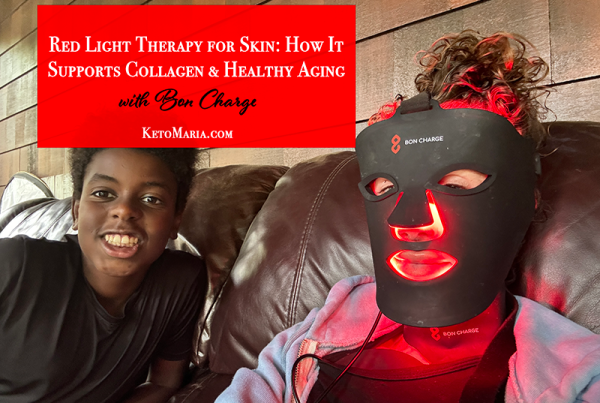
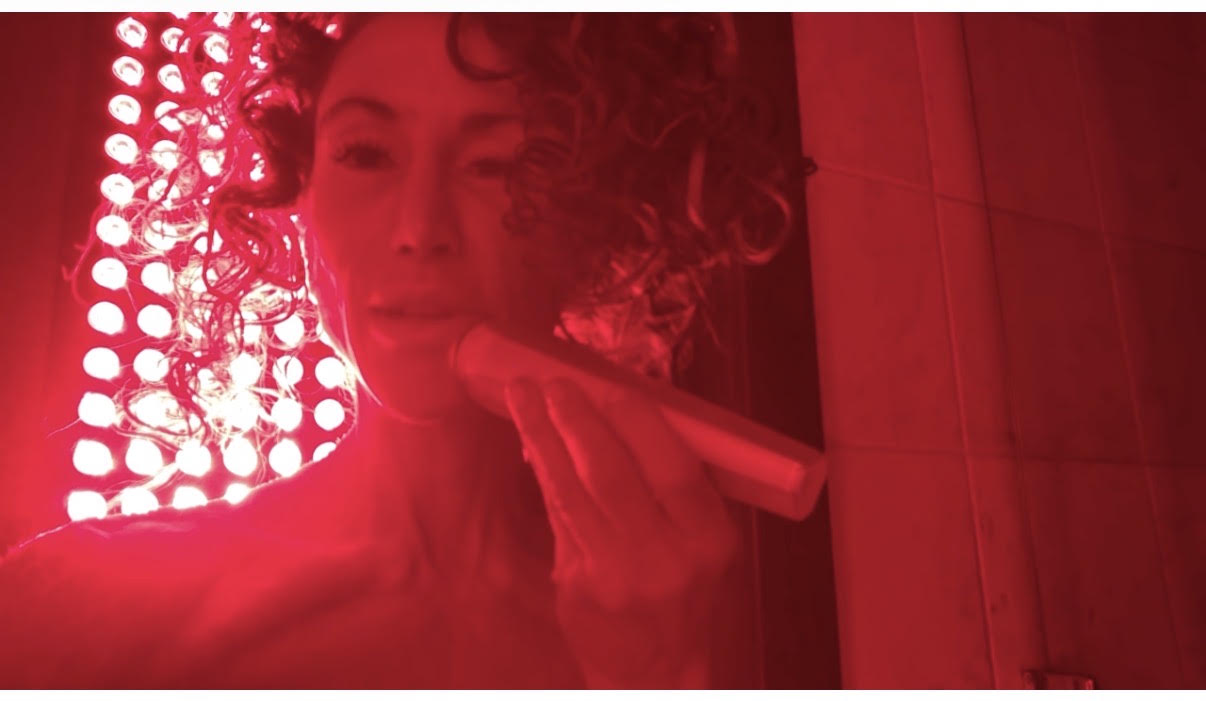
I added Bon Charge red and near-infrared light therapy to my routine because low-level light therapy has evidence supporting increased hair density in some people with androgenetic hair loss.
The proposed benefits include supporting cellular energy production, influencing inflammation, and encouraging follicles to remain in or return to the active growth phase.
Consistency mattered more than intensity. I used a scalp-appropriate device on a regular schedule rather than assuming that longer or more frequent sessions would produce faster results.
- Boosts cellular energy: Increases ATP production in hair follicle mitochondria.
- Improves blood flow: Widens blood vessels to deliver more oxygen and nutrients to the roots.
- Prolonging growth: Keeps follicles in the active anagen growth phase longer and shifts dormant follicles out of the resting phase.
Red light was not a replacement for fixing iron or hormones. It was an additional follicle-support strategy layered on top of the fundamentals.
- Start clean: Wash and dry your hair before your session. Oils, dry shampoo, and styling products block light from reaching the follicles.
- Part your hair: Hair strands can shadow the scalp. Use a comb or your fingers to part hair into rows or quadrants so the diodes touch or shine directly on the skin.
- Session length: Aim for 10 to 20 minutes for caps, helmets, or panels, or 2 to 5 minutes per zone if using a targeted brush.
- Frequency: Do treatments 3 to 5 times per week. Leave at least 12 to 24 hours between sessions to let cells process the energy.
- Be patient: Expect less shedding around 8 to 12 weeks, with visible density changes appearing between 16 and 26 weeks.
Where to Get Your Bon Charge Red Light Therapy Panel
We love Bon Charge! They are always striving to create new, quality technology that elevates our health and wellness. We love our Max Red Light Therapy Panel and I personally use it every day. My skin and hair feels and looks so smooth and radiant!
Use code MARIA to save 20%!!!! That’s the best deal out there for this product!
BON CHARGE products are all HSA/FSA eligible, giving you tax free savings of up to 40%
CLICK HERE to get a your Bon Charge Red Light Therapy Panel!
Scalp Microneedling Helped Stimulate the Follicles
Microneedling creates controlled microinjuries in the scalp. This may activate wound-healing pathways and improve the response to certain topical treatments.
Research on hair loss suggests microneedling may improve hair-growth outcomes, particularly when used alongside better-established therapies. However, technique matters. Needling too deeply, too frequently, or under unclean conditions can cause inflammation, infection, scarring, and worsening hair loss.
I treated microneedling as a procedure—not a casual beauty trend. I paid close attention to sanitation, healing time, needle depth, and scalp irritation.
More injury does not mean more growth.
Why I Used GHK-Cu
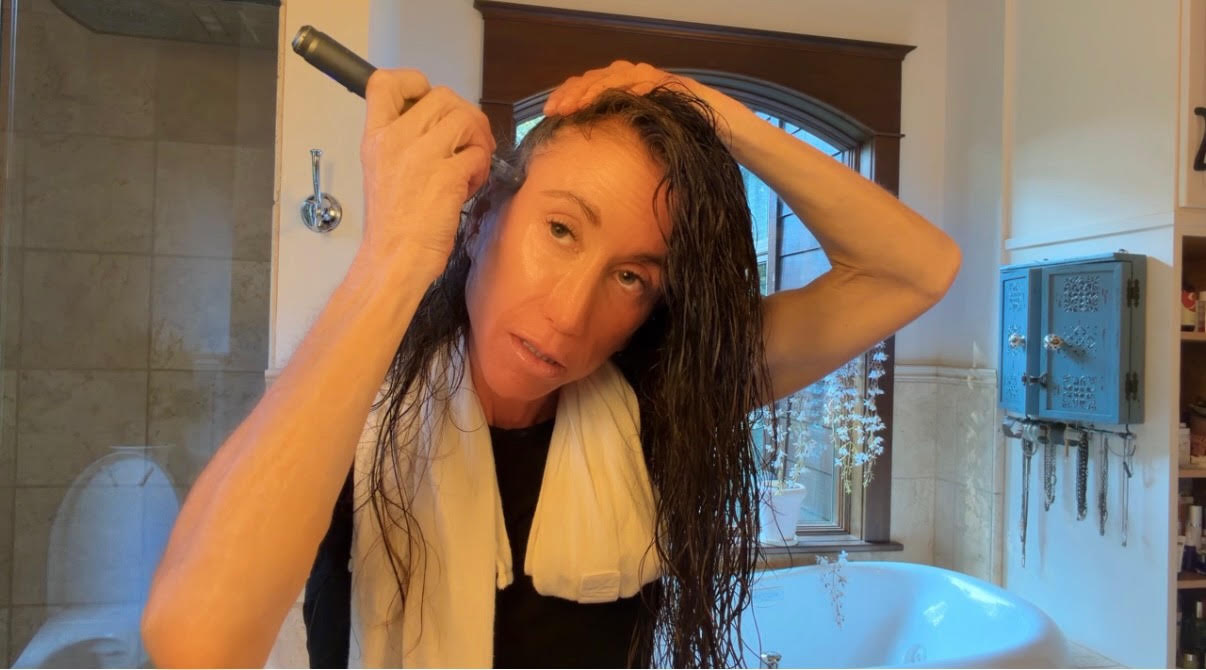
I paired my scalp routine with a specific GHK-Cu hair serum. This product is a naturally occurring copper-binding peptide associated with tissue remodeling, wound healing, and regenerative signaling.
GHK-Cu is biologically interesting, but the human clinical evidence for hair regrowth is still limited compared with established treatments such as minoxidil or low-level light therapy.
I was also cautious about applying products immediately after deeper microneedling. Microneedling can greatly increase product penetration, which may also increase irritation, contamination risk, and systemic exposure.
There’s also GHK-cu shampoo, conditioner and body wash which you can find HERE.
Chart 2: How I Prioritized My Hair Strategy
| Priority | Strategy | Primary purpose |
| 1 | Blood work and medical evaluation | Identify the actual causes of shedding |
| 2 | Restore iron status | Support oxygen transport and correct deficiency |
| 3 | Optimize hormones with supervised HRT | Address documented hormonal deficiencies |
| 4 | Eat adequate complete protein | Supply amino acids for keratin and tissue repair |
| 5 | Correct vitamin D deficiency | Restore an important follicle-related nutrient |
| 6 | Maintain fluids and electrolytes | Support hydration, blood volume and nutrient delivery |
| 7 | Use red light consistently | Support follicle activity and hair density |
| 8 | Add cautious microneedling and topical support | Stimulate repair pathways and enhance treatment response |
| 9 | Repair the existing hair shaft | Reduce breakage and improve appearance while new hair grows |
Hair Regrowth and Hair Repair Are Not the Same
Correcting iron, improving nutrition, using red light, and treating hormone issues may support what grows from the scalp. None of those interventions can truly restore a severely damaged section of hair to its original biological condition because the visible hair shaft is no longer living tissue.
That is why I also needed a separate plan for the damaged hair already on my head.
Bond-repair treatments helped reduce breakage, improve softness, and make my hair appear healthier while I waited for stronger new growth to replace the damaged lengths.
K18 Helped Strengthen My Damaged Hair
K18 is a leave-in molecular repair mask designed for hair damaged by bleaching, coloring, chemical processing, and heat.
I used it to improve the strength, softness, smoothness, and manageability of my existing hair. It did not change my iron levels or restart inactive follicles, but it helped preserve the hair I still had by reducing the appearance and consequences of damage.
That distinction is important:
Scalp treatments support future growth. Bond-repair products help protect the hair that has already grown.
Both mattered in my recovery.
Living Proof Helped Improve Strength and Manageability
I also incorporated Living Proof bond-repair treatments. These products helped smooth the hair, reduce breakage, improve manageability, and protect fragile strands from further stress.
For damaged hair, reducing continued breakage can make a dramatic visual difference. Even before density fully returns, hair can look much healthier when the ends stop snapping and the surface becomes smoother.
I also reduced unnecessary heat, handled wet hair gently, and avoided constantly overlapping color or chemical treatments on already compromised areas.
Protect Your Hair While You Sleep
Hair repair doesn’t stop when you go to bed. In fact, some of the simplest habits during the night can make a noticeable difference in reducing breakage and preserving the healthy hair you’re working so hard to grow.
One of the best changes I made was sleeping with a silk sleep cap. Unlike cotton pillowcases, silk creates much less friction as your hair moves throughout the night. Less friction means fewer tangles, less breakage, reduced frizz, and less stress on fragile strands that are already recovering from damage. If you don’t like wearing a sleep cap, a silk or satin pillowcase is another excellent option, although a cap provides the most consistent protection.
Never Go to Bed With Wet Hair
Going to bed with wet hair may seem harmless, but wet hair is actually at its weakest. Water causes the hair shaft to swell, making it more elastic and more vulnerable to stretching, friction, and breakage.
As you toss and turn during the night, those weakened strands rub against your pillow, increasing the likelihood of split ends, frizz, and broken hairs. Sleeping with damp hair can also leave the scalp warm and moist for prolonged periods, which may contribute to scalp irritation in susceptible individuals.
Instead, allow your hair to dry completely before going to bed. If you use a blow dryer, choose a lower heat setting and always use a heat protectant to minimize additional damage.
Skip the Biotin Unless You Have a Proven Deficiency
Biotin has become one of the most heavily marketed supplements for hair growth, but the science tells a different story.
True biotin deficiency is extremely rare in otherwise healthy people eating a balanced diet. While biotin supplementation can dramatically improve hair and nail problems in someone who is genuinely deficient, there is very little evidence that taking large doses improves hair growth in people with normal biotin levels.
Perhaps more importantly, high-dose biotin supplements can interfere with many common laboratory tests. They can produce falsely abnormal thyroid test results, making it appear as though someone has hyperthyroidism or other thyroid disorders when their thyroid function is actually normal. Biotin can also interfere with certain cardiac, hormone, and vitamin laboratory tests, potentially leading to unnecessary testing or inappropriate treatment.
Rather than automatically taking biotin, focus on identifying the real cause of your hair loss. Iron deficiency, hormonal changes, thyroid disease, inadequate protein intake, illness, medications, stress, and nutritional deficiencies are all far more common contributors to hair thinning than a lack of biotin.
Healthy hair starts with a healthy body. Supporting your hair with adequate protein, correcting nutrient deficiencies confirmed by blood work, optimizing hormones when appropriate, protecting your hair from unnecessary damage, and practicing good hair care habits will have a much greater impact than taking a supplement you likely don’t need.
Stop Greying Hair
Another supplement I added was luteolin. This supplement not only helps with mast cell, histamine issues as well as brain support, it has also been proven to stop the progression and even reverse early grey hair.
My Hair-Recovery Framework
The routine became much easier to understand once I divided it into three categories:
Correct the Internal Cause
This included blood testing, improving iron status, correcting vitamin D, optimizing hormones, eating enough protein, and supporting hydration.
Stimulate and Support the Follicle
This included red light therapy, careful scalp microneedling, and cautiously used GHK-Cu under appropriate guidance.
Protect the Existing Hair
This included K18, Living Proof, reduced heat exposure, gentler styling, and minimizing additional chemical damage.
Trying to use a bond-repair mask to fix an iron deficiency would never have worked. Likewise, correcting iron would not instantly repair bleached ends. Each strategy needed to address the problem it was actually capable of addressing.
Hair Recovery Takes Time
Hair growth is slow. Correcting the underlying problem does not cause an immediate visual transformation because follicles must transition through their normal growth cycle.
It can take several months before reduced shedding becomes noticeable and even longer before new growth creates a visible improvement in density and length.
I tracked progress through photographs rather than judging my hair every morning. Day-to-day changes were almost impossible to see, but pictures taken under similar lighting over several months showed the improvement much more clearly.
Final Thoughts
I did not reverse my hair loss with one miracle supplement, device, or topical product. I improved it by identifying the internal problems and building a strategy that addressed each one.
Correcting low iron gave my body the nutrients needed to support healthy growth. A high-protein diet supplied the amino acids required to make keratin. Vitamin D, hydration, and electrolytes supported the broader nutritional foundation. Medically supervised HRT helped address my documented low testosterone and hormonal health. Red light and careful microneedling supported the scalp, while GHK-Cu served as an experimental adjunct.
Finally, K18 and Living Proof helped strengthen and protect the damaged hair that remained while healthier new hair had time to grow.
The most important lesson was simple: hair loss and hair damage require different solutions, and lasting improvement begins by finding the underlying cause.
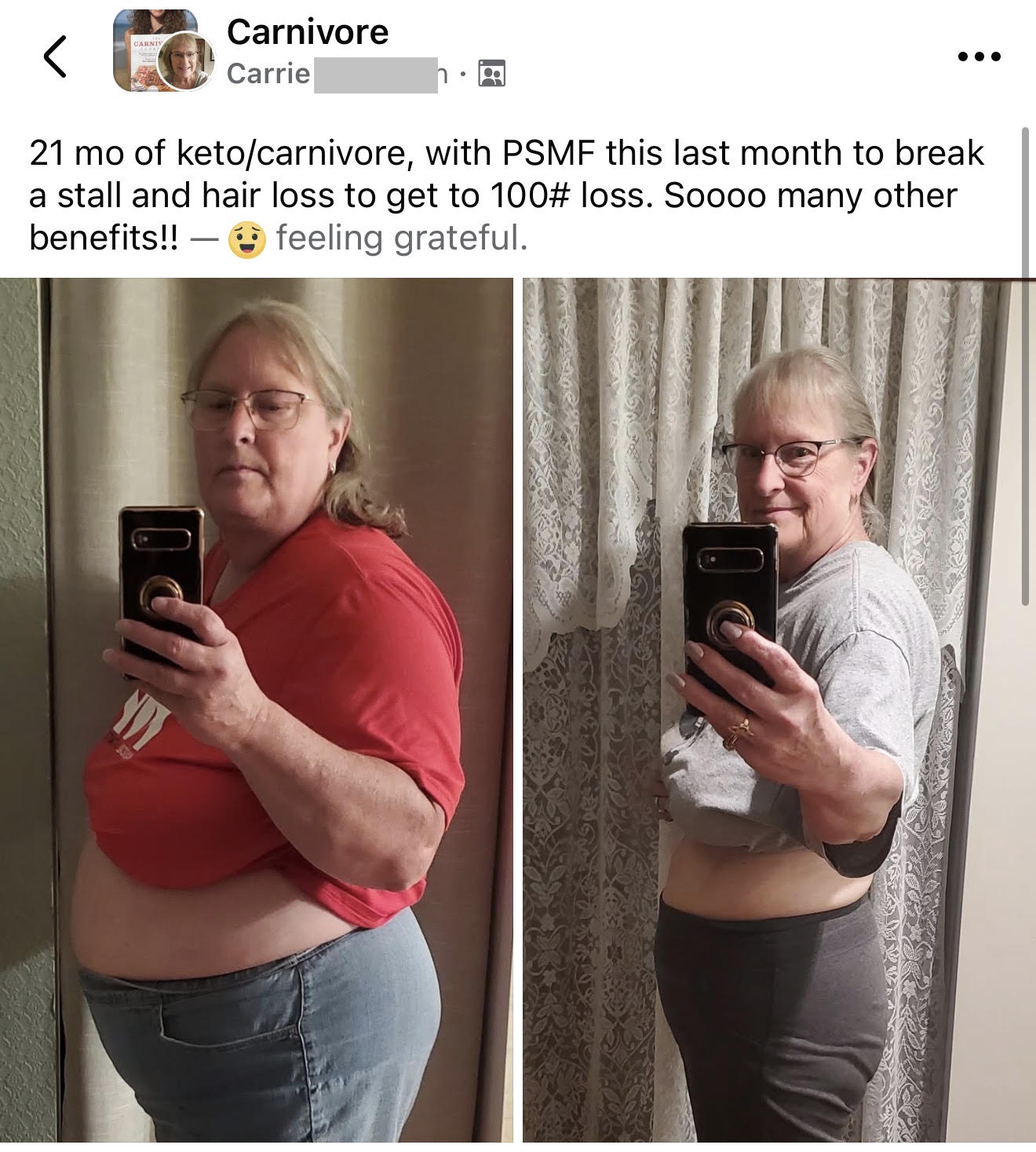
TESTIMONY OF THE DAY
“21 mo of keto/carnivore, with PSMF this last month to break a stall and hair loss to get to 100# loss. Soooo many other benefits!! — feeling grateful.” – Carrie
Most people I consult are doing keto totally wrong. Get fast results with the my Mind-blowing Keto School!
Click HERE to check out my supplement plans!