Get Your Kids OFF Sugar & LOVING Protein! Holidays, Vacations & Cravings

Many of you know that we have two thriving teenagers but you may not know that our boys are keto/carnivore and have been for the past 16 years. I want to help guide parents and grandparents through getting kids off sugar and start loving protein!
Parents today face a challenge that previous generations never experienced. Children are growing up surrounded by ultra-processed snacks, sugary drinks, fast food, and convenience meals that are engineered to keep them eating. At the same time, rates of childhood obesity, type 2 diabetes, fatty liver disease, anxiety, and metabolic dysfunction continue to rise.
The answer isn’t putting children on restrictive diets or teaching them to fear food. Instead, it’s returning to nutrient-dense, whole foods that nourish growing bodies. If you ask my boys if they feel deprived, they laugh and say my recipes taste better than any store-bought item, plus they tell me that they prefer feeling strong and fast eating healthy options.
A well-planned, whole-food ketogenic or lower-carbohydrate lifestyle can provide children and teens with the nutrients they need to grow, learn, play, and thrive. The focus should never be on eating less. It should be on eating more of the right foods, especially high-quality animal protein.
JUST LET THEM BE KIDS
Sadly many parents feel the need to “just let them be kids” and allow them to eat all the candy, sugar and processed foods.

How can we expect our children to reach the age of 18 and not have a sugar addiction after years of eating junk? As adults, we are in charge of our children’s pallets! If you start them young of a real food diet, you are setting them up for success in their adult life.
When we adopted our boys they were so tiny. Kai was only 1 year old and Micah was 2 1/2 and they barely registered on the growth charts. Within a year of eating mainly meat, they were around the 50 percentile for weight, and now both of them are in the 75 percentile or above.
Micah has a nearly photographic memory and never forgets anything and is in advanced math and the best football player I know.

Kai is the most creative kid I have ever known with his amazing art and has the most positive attitude of any person I have ever met. I am blessed to be their mother.

Micah was the healthiest eater that loved everything. He would even eat sardines on our long bike rides!

But I understand what you are thinking, it is not easy getting kids to start eating sardines! I personally will not eat them so I get it! Micah also would enjoy my orange creamsicle push pop on our bike rides. So if your kids have a pallet more like me, I have many recipe options for you!

Kai’s first solid food was bone marrow which is a perfect food for babies! It is basically a savory jello that he still enjoys to this day. Kai loves most foods, except vegetables; which I am ok with since I know that there are more nutrients in animal protein than there is in any vegetable.

Growing Bodies Need Protein
Childhood and adolescence are periods of incredible growth. Bones lengthen, muscles develop, the brain continues maturing, hormones change, and the immune system constantly adapts.
Every one of these processes requires protein.
Protein provides the amino acids needed to build:
- Muscle
- Bones
- Skin
- Hair
- Organs
- Enzymes
- Hormones
- Immune cells
- Connective tissue
Unlike adults who are primarily maintaining tissue, children are building new tissue every single day.
That means protein isn’t optional—it is one of the most important nutrients they consume.

Keto Kids Growing Testimony
Throughout the past 20 years of helping clients, I have worked with thousands of kids through the ketogenic diet. Here is one of my favorite testimonies:
“Hi! My daughter Jozie went from a women’s small/medium to a children’s size 10. She lost 25lbs after coming to your class.
Her daily battles with blood sugar and feeling unwell are GONE!
Her lymphedema is GONE!
Needing to eat every couple of hours is GONE!
Anxiety is almost GONE!
Food worries GONE!
Sugar cravings GONE!
She has more energy, has gotten sick less, is happier, never feels hungry, she grew a couple inches which is HUGE for her TS, and she overall feels GREAT!
I am so thankful and feel so blessed the Lord gave us the tools and Maria Emmerich and Craig Emmerich to completely change our health and ultimately our lives!
It feels amazing to feel so much better than we have in years and probably ever for Jozie!”

Animal Protein Provides Complete Nutrition
Plants certainly have nutritional value. Vegetables provide vitamin C, folate, potassium, fiber, and many beneficial plant compounds.
However, when it comes to protein quality and nutrient density, animal foods are difficult to match.
Beef naturally provides:
- Complete protein
- Vitamin B12
- Highly absorbable heme iron
- Zinc
- Selenium
- Choline
- Creatine
- Carnitine
- Taurine
- Bioavailable B vitamins
Many of these nutrients are either absent from vegetables or are found in forms that are absorbed less efficiently.
This is especially important for growing children, whose bodies have higher nutrient demands.
Chart: Beef vs. Vegetables
| Nutrient | Beef | Most Vegetables |
|---|---|---|
| Complete protein | ✓ Excellent source | ✗ Usually incomplete |
| Vitamin B12 | ✓ Rich source | ✗ Essentially absent |
| Heme iron | ✓ Highly absorbable | ✗ Non-heme iron only |
| Zinc | ✓ Highly bioavailable | Lower absorption due to plant compounds |
| Creatine | ✓ Naturally present | ✗ None |
| Taurine | ✓ Naturally present | ✗ None |
| Carnitine | ✓ Naturally present | ✗ None |
| Choline | ✓ Excellent source | Generally much lower |
Protein Helps Kids Stay Fuller Longer
Many children’s breakfasts consist of cereal, toast, muffins, pancakes, waffles, or sugary yogurt.
These meals are often low in protein and quickly digested, leading to energy crashes and hunger only a few hours later.
A breakfast centered around eggs, beef, sausage, Greek yogurt (if tolerated), or another quality protein source provides lasting satiety and steadier energy.
Children who eat more protein often find themselves naturally snacking less because they stay satisfied longer.
We even have keto pizza night at our house but it is packed with a protein crust rather than carbs.

Better Energy Without the Sugar Roller Coaster
Kids are incredibly active.
Whether they’re learning in school, competing in sports, or simply playing outside, they need steady fuel.
Meals built around protein and healthy fats produce a slower, steadier release of energy compared to meals dominated by refined sugar and starch.
Instead of feeling energetic for an hour and then crashing, many families notice their children have more consistent energy throughout the day.
This doesn’t mean children should never eat carbohydrates. Fruits, vegetables, and other minimally processed foods can absolutely fit into a healthy lifestyle. The goal is simply to reduce the constant flood of refined sugars and ultra-processed snacks.
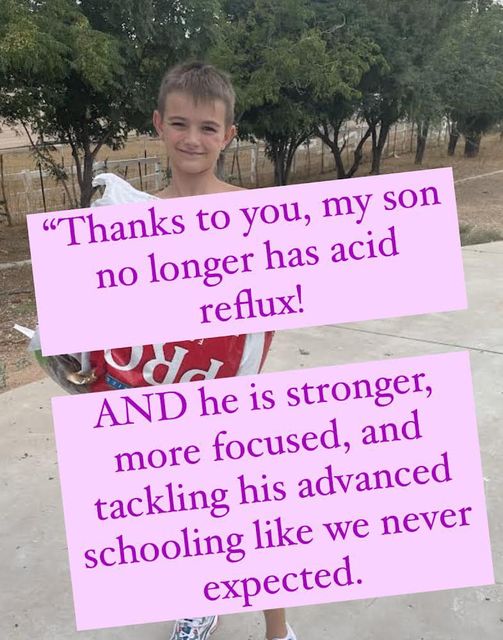
Can Keto Help Mood and Focus?
The brain requires a tremendous amount of energy.
Stable blood sugar and adequate protein may help children avoid the dramatic swings in energy that sometimes follow highly processed meals.
Some families also report improvements in attention, mood stability, and reduced “hangry” behavior when meals contain more protein and fewer refined carbohydrates.
It’s important to recognize that every child is different, and nutrition is only one part of emotional and cognitive health. Sleep, physical activity, family routines, stress, and underlying medical conditions all play important roles as well.
Testimonies How Keto Helps with ADHD, Eczema and Autism
For starters, I hear many testimonials from parents about ADHD and eczema, like this one:
Here is a report from another happy parent:
“I wish I had pics of my son’s skin beforehand. But eating sugar-free has cleared up his eczema, and it has done miracles for his ADHD. I just had a meeting with his teacher this morning, who confirmed that he had been much more even-keeled.” — Stacy
“We put our ten-year-old son on your diet in November in the hope that it would help his ADHD symptoms. We did not use medication and did not want to, but his gluten-free diet was not enough. In December, his teacher remarked that he seemed more focused in class, especially after snack time, which used to be marked with bursts of energy and a lack of self-control. Although the new diet took more planning on my part and required him to try new foods, my son said he felt better. Well, last night, he got his report card. His grades went up in every subject. The change is remarkable. Thank you.” — Katie
“We just went on your diet plan, and there was an immediate shift in behavior. I honestly thought that we would have a grieving period over cake pops from Starbucks. In the past, we had an upset little girl every time she saw that dang green mermaid. I honestly think yanking the processed sugar out completely was way bigger for our child. She is four and has an ASD diagnosis. It’s mostly speech and language we are dealing with, so explaining the changes to her was not going to help. She’s on a whole new protocol, but this diet was the first step. We are very impressed by the removal of sugar. She takes one simple no for an answer now. It’s crazy.” — Heather
Healthy Eating Can Actually Save Money
One common complaint is that it is too expensive to eat healthy, on the contrary, we save money eating keto. My boys usually eat burger patties for breakfast. Check out the comparison of eating my delicious keto Big Mac on protein bread:
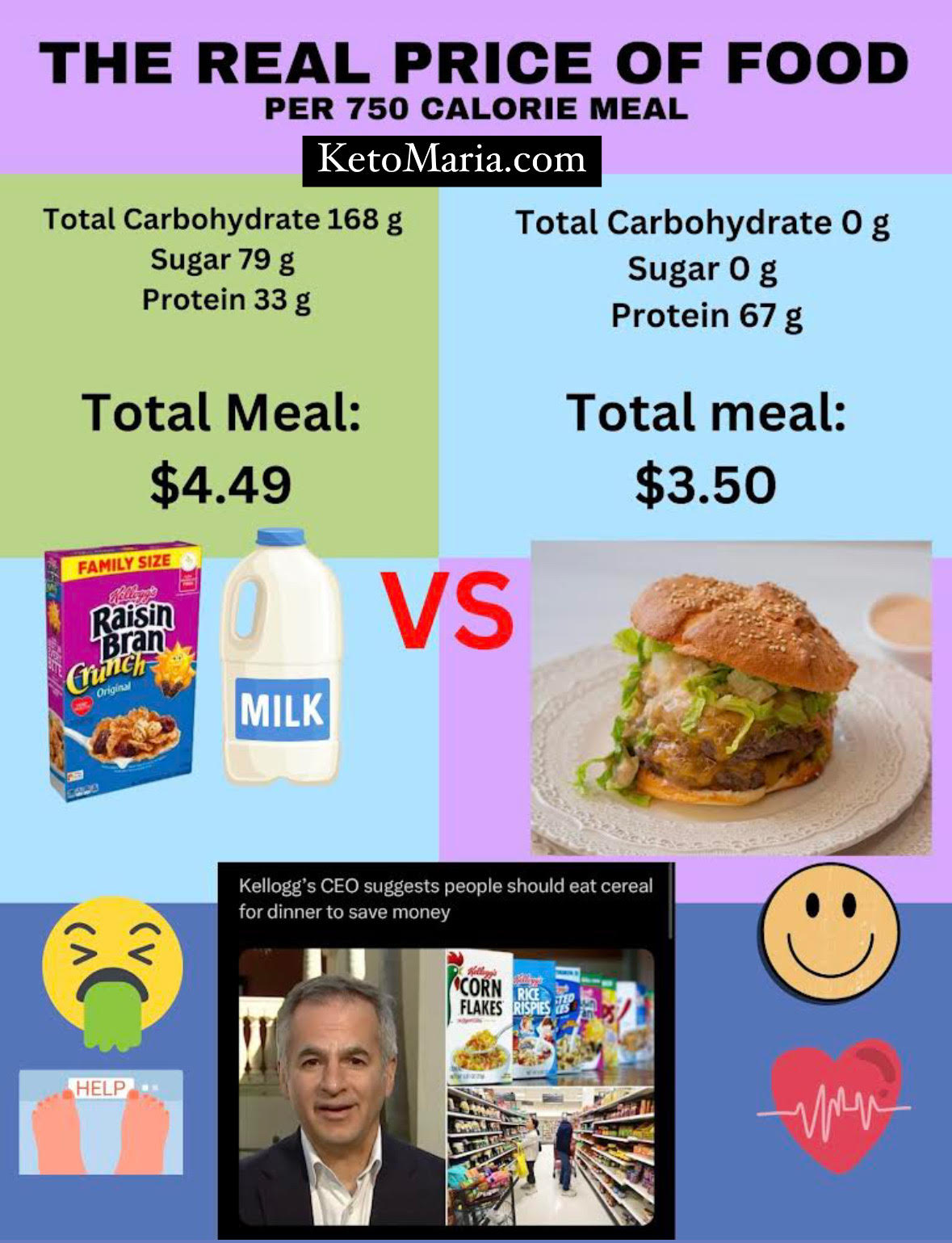
In reality, families often spend a surprising amount on foods that provide very little nutrition.
Think about a typical grocery cart filled with:
- Chips
- Cookies
- Crackers
- Sugary cereal
- Granola bars
- Fruit snacks
- Soda
- Juice
- Frozen pizzas
- Fast food
Those foods disappear quickly while offering very little protein or lasting fullness.
Replacing many of these products with High Protein Foods:
- Ground beef
- Eggs
- Chicken thighs
- Canned tuna
- Pork shoulder
- Cottage cheese or Greek yogurt (if tolerated)
often provides more meals, more protein, and better nutrition per dollar spent.
The goal isn’t necessarily to spend less at the grocery store. It’s to buy foods that actually nourish your family instead of constantly replacing empty calories.
High Protein Food Builds Healthy Habits
Children learn how to eat by watching the adults around them.
When families prepare meals centered around protein, vegetables, healthy fats, and minimally processed ingredients, children begin to see those foods as normal—not “diet food.”
Healthy eating becomes a family lifestyle rather than something that starts after weight gain develops later in life.
Avoid Turning Food Into a Battle
One of the biggest mistakes parents can make is labeling foods as “good” or “bad.”
Instead, teach children what food does.
Protein helps build muscles.
Iron carries oxygen.
Healthy fats support the brain.
Vegetables provide vitamins and minerals.
When children understand why foods matter, they’re often much more willing to eat them.
The Goal Is Metabolic Health, Not Restriction
A healthy ketogenic or lower-carbohydrate lifestyle for children should never focus on calorie restriction.
Growing bodies need energy.
Instead, focus on:
- Plenty of complete protein
- Nutrient-dense whole foods
- Healthy fats
- Fruits and vegetables appropriate for the child
- Limiting ultra-processed foods and added sugars
- Plenty of sleep
- Outdoor play and physical activity
These habits help build a strong metabolic foundation that can last a lifetime.
Tips on Getting Your Kids and Teens to Eat Healthy
- Have your kids help in the kitchen
My number one tip for getting your kids to eat healthy is to have them help you in the kitchen. This is why at the end of each YouTube video, my son Kai says, “Cook with your kids!”
When your kids help create delicious food, they are more likely to try it and like it. This also build confidence and helps with depression in adults too!
This is why in my book Sugar Free Kids, I included a rating scale on how easy the recipes were: if the kids could make the recipe on their own or do it with parental help.
2. Start with their favorite foods
If your kids love pizza, start by making a keto pizza. If your kids love ice cream, make them my high protein ice cream. You don’t have to jump into giving them a steak for dinner. Start with foods they love and recreate them into healthy options. I even have a pop tart recipe!
3. GET THE JUNK OUT OF THE HOUSE!
I’m not trying to be harsh here, but your kids do not have money, they do not have a car. If you don’t bring it into the house, it’s not an option. Do not keep candy and processed foods in the house. It is no good for anyone. If it is in the house, they are going to want it. My kids do not snack, but the options we do have for them are things like beef sticks, The Good Chocolate, Moon Cheese, my protein ice cream in the freezer and other recipes of mine for easy treats.
Final Thoughts
Children don’t need perfect diet, they need nutrient-dense foods that support growth, learning, and long-term health.
By prioritizing complete animal protein, reducing ultra-processed foods, and emphasizing whole-food meals, parents can give their children the building blocks needed for healthy muscles, strong bones, balanced energy, and normal growth.
A healthy keto or lower-carbohydrate lifestyle isn’t about restriction. It’s about replacing nutrient-poor foods with foods that truly nourish growing bodies.
When kids eat enough high-quality protein, healthy fats, and real food, they’re not simply fueling today’s activities, they’re building the foundation for a healthier future.
TESTIMONY OF THE DAY
“We fostered-to-adopt this little guy 4 years ago. He was 3-years-old but the size of an 18 month old. He would refuse to eat everything except hotdogs, french fries, and cookies. He was content to starve himself as long as he could feel full by filling up with water.
We recognized that his diet of choice was nit healthy and could result in serious health issues if we allowed him to continue to eat like that, so we started intensive training to teach him to eat other foods. It was terrible; lots of temper tantrums, me crying privately, gagging, even vomiting occasionally.
He and I dreaded every meal, but we persevered and after about 18 months he would happily eat most things without complaint. But while he’d eat whatever we gave him, his growth rate didn’t improve much; and despite him being 7 now, he’s the size of a small-framed 5-year-old.
We know who his bio-mom is and she’s tiny, so I assumed it was just his genetics. He also has symptoms of ADHD and high-functioning autism and I read that eating keto can help kids with their symptoms. I was already eating keto, so I put he and his bio-brother on keto to see if it would help them. Both boys are gaining weight faster than before (his brother is also small for his age) and this particular child has gone from gaining 0-2lb every 6 months to gaining 1 lb per month! And he’s grown a full inch in height since starting keto 2 months ago! This is amazing to me!!!
Also, in addition to his increased growth rate, he has better emotional regulation and impulse control! Which are two of the symptoms that I had hoped keto would help! He has friends now! He’s not getting himself into trouble with his impulsive behavior all the time! Things that he’s literally done daily for the past 4 years (like throwing toys in the house), never happen anymore. I’m so thankful for Maria’s educational material and cookbooks!” -Angie
Get fast results with the my Mind-blowing Keto School!